 Save
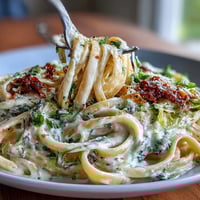
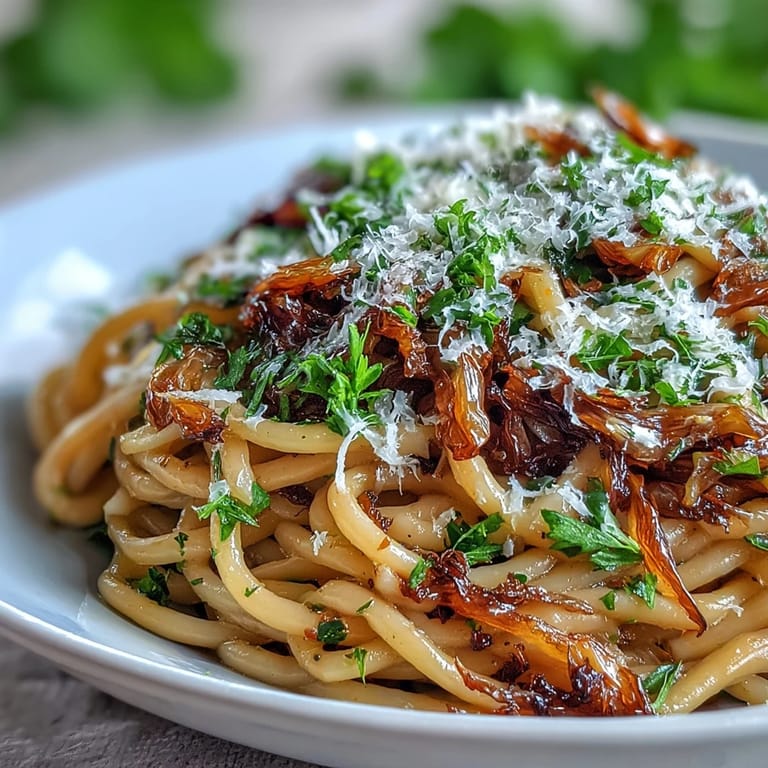
Save My neighbor Marco stopped by one Tuesday evening with a bag of cabbage from his garden, insisting I needed to try his nonna's pasta recipe. I was skeptical—cabbage in pasta sounded rustic in a way I wasn't sure about—but twenty minutes later, I understood why he'd made the trip. The kitchen filled with this warm, almost caramel-like aroma, and suddenly that humble vegetable had transformed into something golden and tender, clinging to strands of spaghetti like it belonged there all along.
I made this for my sister during a surprise visit when my fridge was nearly empty except for half a cabbage and some pasta. She expected disappointment, but when I plated it up with a handful of Parmesan and fresh parsley, she went quiet for a moment, then asked for seconds. That's when I realized simple food done right speaks louder than complicated recipes ever could.
Ingredients
- Spaghetti or linguine, 12 oz: Long, thin pasta is ideal here because it catches and holds onto those caramelized cabbage pieces; reserve your pasta water though, it's your secret weapon for bringing everything together.
- Green cabbage, 1 medium head: Slice it thin and don't rush the cooking—those 12-15 minutes of patient stirring is when the magic happens and it transforms from raw to golden.
- Olive oil, 2 tablespoons and unsalted butter, 2 tablespoons: The combination gives you both the fruity richness of oil and the luxurious depth butter brings; don't skip either one.
- Garlic cloves, 4, thinly sliced: Thin slices cook faster and distribute better than minced, giving you little pockets of garlic flavor without any burnt edges.
- Crushed red pepper flakes, ½ teaspoon (optional): If you like heat, this adds a subtle background warmth that balances the sweetness of the cabbage beautifully.
- Freshly grated Parmesan cheese, 1 cup: Pre-grated from a box works in a pinch, but freshly grated melts into the pasta with a silkier texture that makes a real difference.
- Fresh parsley and lemon zest: Optional but highly encouraged—they brighten everything and give your plate that finishing touch that says you actually care.
Tired of Takeout? 🥡
Get 10 meals you can make faster than delivery arrives. Seriously.
One email. No spam. Unsubscribe anytime.
Instructions
- Get Your Water Going:
- Fill a large pot with water, salt it generously like seawater, and let it come to a rolling boil while you prep everything else. This is non-negotiable for flavorful pasta.
- Start the Cabbage Transformation:
- Heat your olive oil and butter in a large skillet over medium heat, then add that sliced cabbage with a pinch of salt. Let it sit undisturbed for a minute or two, then start stirring occasionally—you want it golden and caramelized, not steamed and pale.
- Cook Your Pasta:
- Once your water is boiling, add the pasta and cook until just al dente, which means it should have a slight resistance when you bite it. Before draining, grab a measuring cup and scoop out about 1 cup of that starchy pasta water—you're going to need it.
- Bring in the Garlic:
- By now your cabbage should be tender and golden, so add your thinly sliced garlic and red pepper flakes. Cook for just 1-2 minutes, stirring constantly, until you can smell that garlic fragrance but before it turns brown.
- Bring It All Together:
- Add your drained pasta directly into the skillet with the cabbage, then toss everything together gently. If it looks dry, start adding your reserved pasta water a little at a time until the whole dish feels loose and saucy.
- Finish Strong:
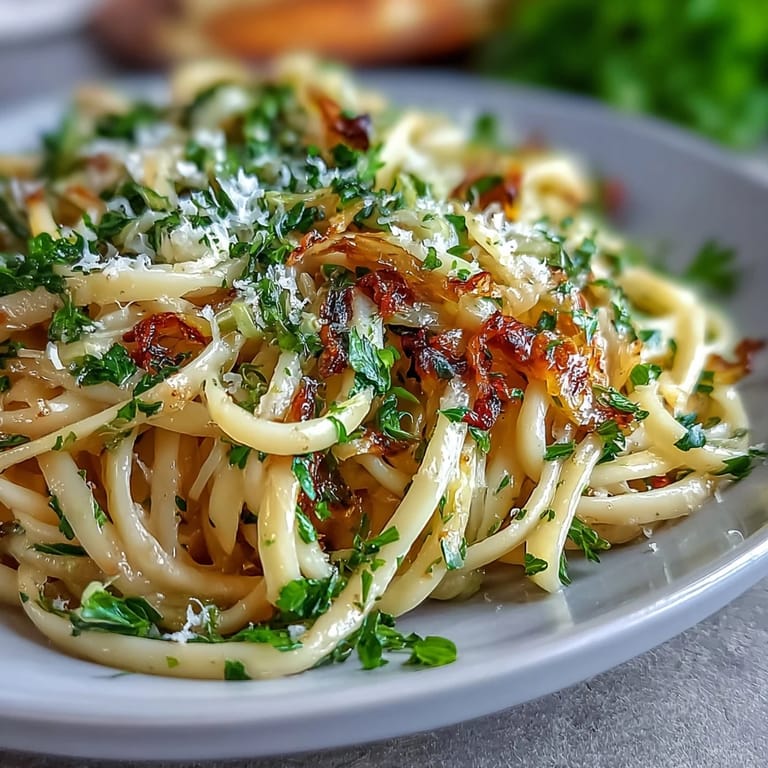
- Stir in your grated Parmesan and freshly ground black pepper, then taste and adjust your seasoning—you might want more salt, you might want more pepper, and that's completely fine. Serve immediately with extra Parmesan, parsley, and lemon zest scattered on top.
 Save
Save There's something beautiful about how Italian grandmothers have always known that the simplest ingredients, treated with patience and respect, become the most memorable meals. This dish carries that same philosophy—no complicated technique, no expensive ingredients, just an understanding that good food doesn't have to be complicated to be genuinely wonderful.
When to Make This
This is perfect for those nights when you're tired but don't want to order in, or when you're cooking for one but want it to feel special. I also make it constantly during late fall and winter when cabbage is everywhere and cheap, and somehow it feels even more comforting when the weather turns cold.
Variations Worth Trying
Once you've made this a couple times and know how it works, you can start playing. I've added crispy breadcrumbs for texture, tossed in some toasted walnuts for nuttiness, and even stirred in a handful of fresh herbs like basil or dill when I had them. You could swap the Parmesan for Pecorino Romano if you want something sharper, or add a small splash of white wine when the garlic goes in for extra depth.
Troubleshooting and Fine Tuning
If your cabbage isn't getting golden, you might be cooking it on too low heat or stirring too much—let it sit occasionally so the bottom gets a chance to caramelize. If everything tastes bland, taste before you season; sometimes you need more salt than you'd think, or a crack more black pepper. If the pasta feels too thick or gluey, just add a touch more of that reserved pasta water to loosen it up.
- Garlic burns easily once it hits the pan, so keep your heat at medium and watch it closely for just those first two minutes.
- Thinly sliced cabbage cooks way faster than chunks, so take the time to slice it properly rather than rushing with bigger pieces.
- This dish is best served immediately, so have your bowls ready and your toppings prepped before you start bringing everything together.
 Save
Save This is the kind of recipe that proves you don't need anything fancy or complicated to make dinner memorable. Make it once, and I promise it'll become one of those dishes you return to again and again.
Recipe FAQ
- → Can I use a different type of pasta?
Yes, any long pasta like fettuccine or pappardelle works well. Short pasta like penne or rigatoni also pairs nicely with the caramelized cabbage.
- → How do I know when the cabbage is properly caramelized?
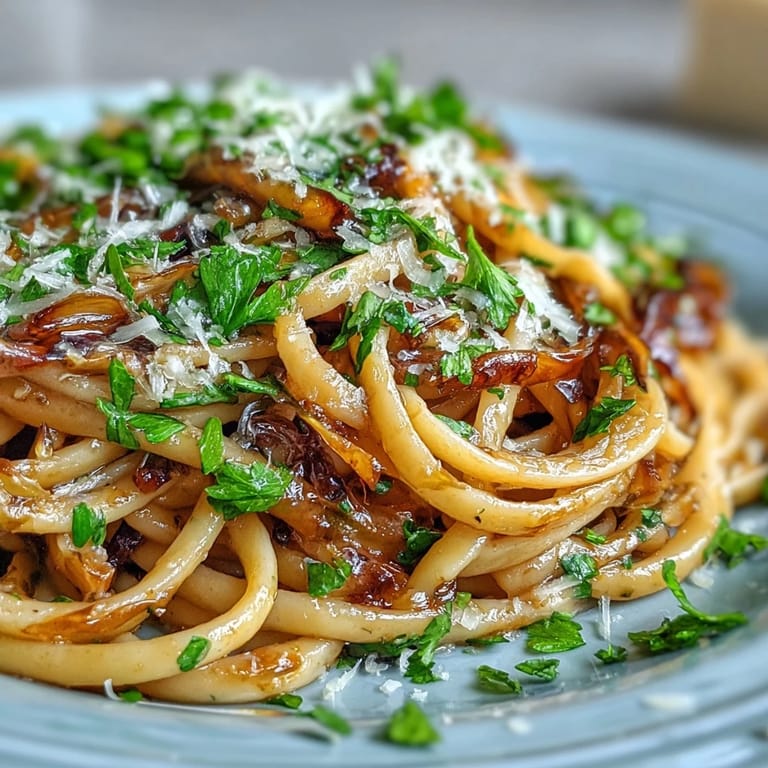
The cabbage should be golden brown and tender, with sweet, slightly crispy edges. This takes about 12-15 minutes over medium heat with occasional stirring.
- → Can I make this ahead of time?
While best served fresh, you can prepare the caramelized cabbage ahead and refrigerate. Reheat gently and toss with freshly cooked pasta when ready to serve.
- → What can I substitute for Parmesan cheese?
Pecorino Romano offers a sharper, saltier flavor. For dairy-free options, use nutritional yeast or vegan Parmesan alternatives for a similar umami taste.
- → How can I add more protein to this dish?
Add cooked Italian sausage, crispy pancetta, white beans, or chickpeas. Grilled chicken also complements the caramelized cabbage beautifully.
- → Why should I reserve pasta water?
The starchy pasta water helps create a silky sauce that coats the pasta and cabbage. Add it gradually to achieve your desired consistency.