 Save
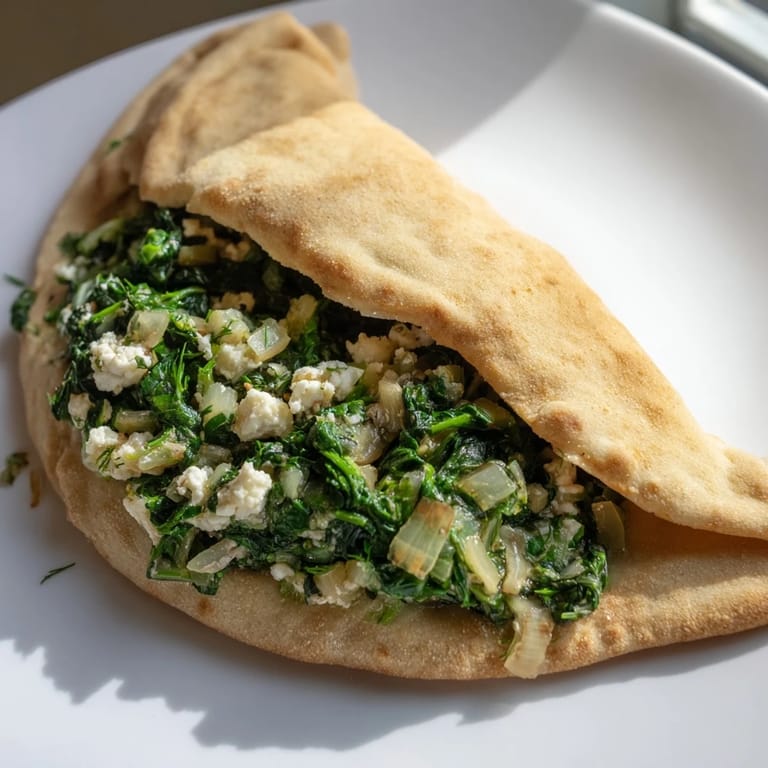
Save There's something about the way a flatbread puffs up on a hot skillet that makes you feel like you've discovered kitchen magic. I stumbled onto this Turkish version years ago while watching my neighbor prepare her family's Sunday lunch, and what struck me wasn't just how simple the ingredients were, but how she moved through the kitchen with such casual confidence. The spinach and feta filling reminds me of the first time I understood that humble greens and salty cheese could transform something so ordinary into something people actually crave. Now whenever I make these, the smell of wilted spinach mixed with warm dill brings back that exact feeling of standing in her small kitchen, wondering how something so good could be this straightforward.
I made these for a impromptu picnic last summer, packed them still warm in foil, and watched my friend close her eyes on that first bite like she was experiencing something sacred. That's when I realized these aren't just snacks or appetizers—they're the kind of food that makes moments feel deliberate and cared for. Every time someone bites into one now, I think about that afternoon and how food can quietly say things you might not know how to express otherwise.
Ingredients
- All-purpose flour: The base of your dough, and choosing a brand you trust matters more than you'd think—some absorb water differently, so watch your dough's consistency as you mix.
- Olive oil: Use a decent one for the dough and filling; it's not the place to reach for the bottom shelf, since it's tasted directly.
- Warm water: Should feel like bathwater on your wrist, not hot enough to kill the yeast if this were bread, but warm enough to activate the gluten.
- Fresh spinach: Wash it thoroughly and chop it roughly—the smaller pieces cook faster and distribute more evenly through the filling.
- Feta cheese: Buy a block and crumble it yourself if you can, since pre-crumbled often has anti-caking agents that change the texture slightly.
- Fresh dill and parsley: These are non-negotiable; dried herbs make this taste like a completely different dish, so if you can't find them fresh, wait for another day.
- Onion and garlic: Cook them until they're truly soft and the rawness is gone—rushing this step leaves a sharp bite that fights with the delicate feta.
Tired of Takeout? 🥡
Get 10 meals you can make faster than delivery arrives. Seriously.
One email. No spam. Unsubscribe anytime.
Instructions
- Mix your dough gently:
- Combine flour and salt, then add oil and warm water, mixing just until everything comes together into a shaggy mass. Knead for five to six minutes—you'll feel when it shifts from sticky to smooth, and that's your signal to stop. Over-kneading makes it tough, which is the opposite of what you want here.
- Let it rest without rushing:
- Twenty minutes seems short, but the dough relaxes and becomes easier to roll during this time, so don't skip it. You can use these minutes to prepare your filling without stress.
- Cook the filling with intention:
- Sauté onions until they're truly soft and turning translucent, then add garlic just for thirty seconds before adding the spinach. Cook the spinach until it releases its moisture and then some—you're driving out liquid that would make your flatbread soggy.
- Combine while everything's still warm:
- Mix the cooled spinach with feta, herbs, and spices while flavors are still awake and blending. The cheese softens slightly from the residual warmth, distributing more evenly through the filling.
- Roll with a light touch:
- Divide your dough into four pieces and roll each into a thin oval about eight inches long—this is where a light hand matters, since you want it thin enough to cook quickly but sturdy enough to hold the filling. If it springs back as you roll, let it rest for a minute and try again.
- Seal like you mean it:
- Place your filling on one half of the oval, leaving a half-inch border, then fold and pinch the edges firmly together. A loose seal opens during cooking and spills filling into the pan, which is both a mess and a missed opportunity for a beautiful half-moon shape.
- Pan-cook until golden:
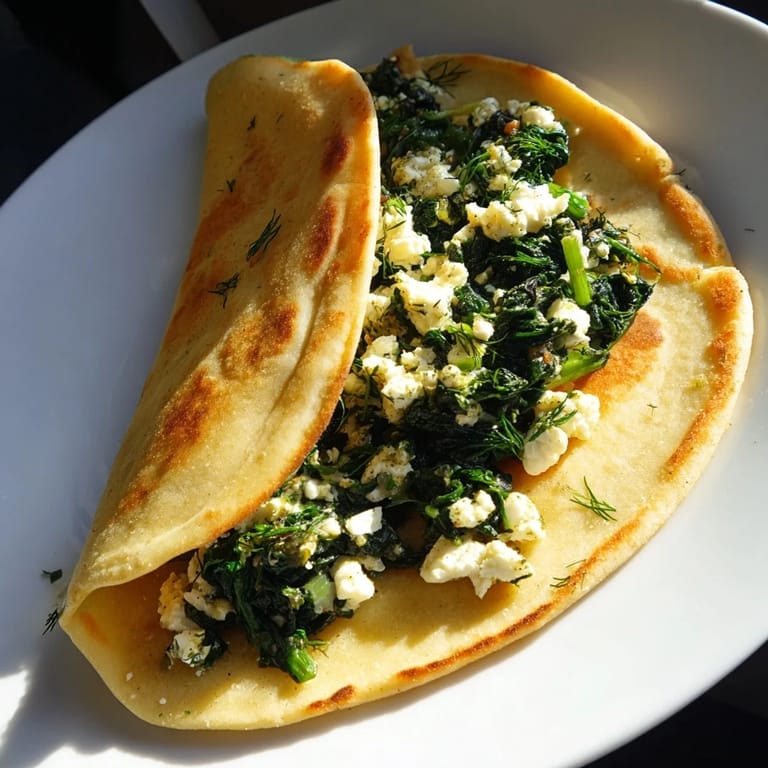
- Use a dry skillet over medium heat and cook each flatbread three to four minutes per side until the surface turns golden and crispy. The dry pan creates better browning than oil would, and you'll hear the dough make little crackling sounds when it's getting properly golden.
 Save
Save I served these at a small dinner party once, and the compliment I remember most wasn't about how good they tasted, but that someone said it felt like being invited into something personal. That's what happens when you make food from a place of genuine care rather than obligation.
Variations That Work
Swap the herbs around if your garden offers something different—mint instead of dill creates a completely different mood, and sometimes that shift is exactly what you need. The filling is forgiving enough to accommodate what you have on hand, as long as you keep the balance of something creamy (the feta), something fresh (whatever herbs), and something green (the spinach) intact. I've made versions with leeks instead of onions and added crumbled walnuts for texture when someone mentioned they loved nuts, and both worked beautifully.
Serving and Storage
These are best served warm right from the pan, when they're still soft inside and the exterior is still crisp. They keep well in an airtight container for two days, though reheating them in a dry skillet for a minute brings back some of that initial texture. Some people serve them with cooling yogurt or a fresh tomato salad, which feels like the right counterpoint to the richness inside.
Making Them Ahead
You can prepare the filling a full day ahead, which takes the pressure off when you want to cook these for company. The dough, though, is best made and rested within a few hours of cooking, since it starts to dry out as it sits. If you're planning to make these for a gathering, I recommend rolling and filling them ahead, keeping them on a floured surface and loosely covered, then cooking them just before people arrive.
- Prepare the filling the day before and store it in the refrigerator in an airtight container.
- Roll and fill the flatbreads up to two hours ahead, then cook them when you're ready to serve.
- Brush cooked flatbreads with melted butter or a drizzle of good olive oil if you want to add extra richness.
 Save
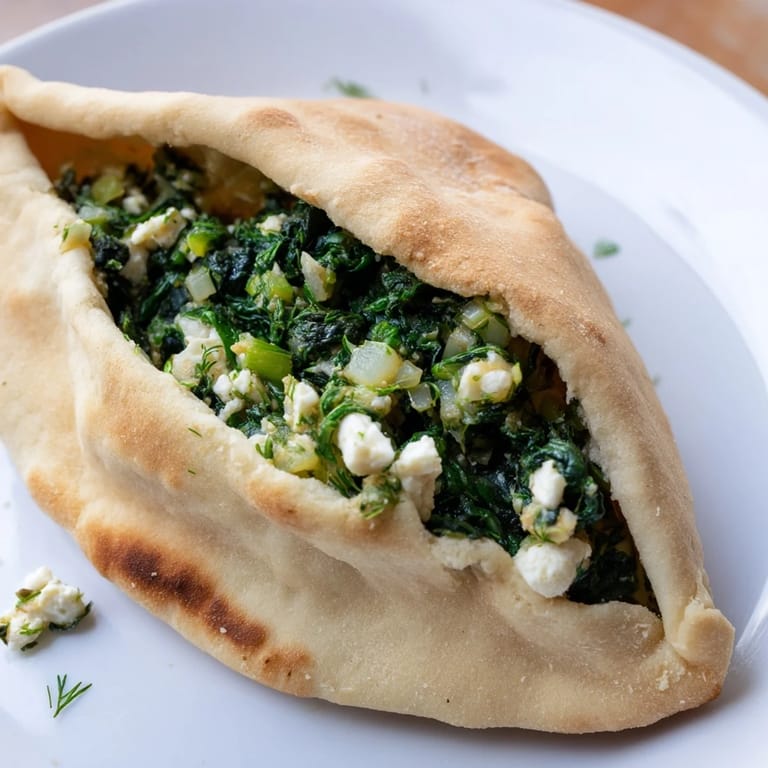
Save These flatbreads have become one of my go-to recipes when I want to feel like I'm cooking something meaningful without the stress of elaborate technique. There's a quiet confidence that comes from mastering something simple and doing it well.
Recipe FAQ
- → Can I use frozen spinach for the filling?
Yes, frozen spinach can be substituted if thawed well and drained to remove excess moisture, ensuring the filling isn’t soggy.
- → What is the best way to roll the dough?
Roll the dough on a lightly floured surface into ovals about 8 inches long and thin enough to fold over the filling without tearing.
- → How do I know when the flatbreads are cooked?
Cook each side in a dry nonstick skillet until golden spots appear and the flatbread feels firm but tender.
- → Can I add other herbs to the filling?
Yes, fresh herbs like mint or oregano can complement the spinach and feta for varied flavors.
- → Is it necessary to cook the filling before assembling?
Cooking the spinach with onion and garlic removes excess liquid and enhances flavor, preventing soggy flatbreads.