 Save
Save I discovered the magic of a noodle board at a small Asian fusion restaurant tucked away in the heart of the city, where the chef wheeled out this stunning platter with such pride. The way diners leaned in, choosing their own adventure with each ingredient, mixing and matching flavors—it felt less like eating and more like a celebration. I knew immediately I had to recreate this at home, and now it's become my favorite way to feed a table of friends who all want something different but want to share the experience together.
I remember setting this board out for my sister's birthday dinner when she announced she'd gone vegetarian—suddenly I wasn't stressed about accommodating everyone anymore, I was excited. We gathered around that platter like it was a game, and instead of someone picking at a plate that wasn't made for them, everyone was diving in with the same enthusiasm. That's when I realized this recipe isn't just food; it's permission to celebrate that we don't all want the same thing.
Ingredients
- Rice noodles or soba noodles (300g): The foundation that holds everything together—rice noodles are silkier and more delicate, while soba has an earthier, nutty bite. Either way, rinsing them in cold water after cooking is the secret to keeping them from clumping into a sad pile on your board.
- Sesame oil (1 tbsp): This is non-negotiable; it's the difference between noodles that slide apart beautifully and noodles that stick like glue. Just a tablespoon does the trick.
- Cooked chicken breast, thinly sliced (200g): Poach it gently or use rotisserie chicken—the goal is tender, not dry. I've learned that slicing it against the grain makes all the difference in how it feels on your palate.
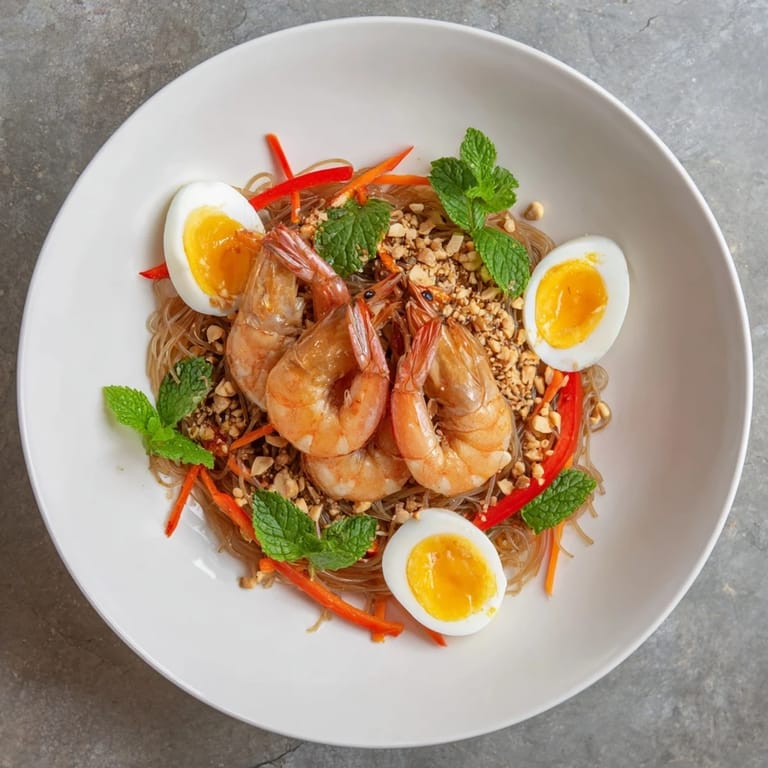
- Cooked shrimp, peeled and deveined (150g): These add a sweet brininess that rounds out the board. Cook them just until pink, no longer, or they'll be rubbery.
- Boiled eggs, halved (2): The creamy yolk is like a sauce of its own. Boil them for exactly 7 minutes for that perfect jammy center.
- Fresh vegetables—carrots, cucumber, bell pepper, red cabbage, edamame, radishes, scallions: This is where color and texture live. The crisp snap of fresh vegetables against soft noodles is what makes every bite interesting. Don't skip the radishes; they add a subtle bite that keeps things from feeling too heavy.
- Fresh cilantro and mint leaves (1/4 cup each): These aren't garnish—they're flavor. Tear them just before serving so they stay bright and alive on the board.
- Roasted peanuts, chopped (1/4 cup) and toasted sesame seeds (2 tbsp): Texture and richness. Toast the seeds yourself if you can; the aroma alone will make everyone in your kitchen smile.
- Lime wedges: The acid that brings everything into focus. Squeeze these over your bite, and suddenly everything tastes more like itself.
- Dipping sauces—soy, peanut, hoisin, sweet chili (1/3 cup each): The personality of the board. Each sauce tells a different story, and the joy is in discovering which combinations speak to you.
Tired of Takeout? 🥡
Get 10 meals you can make faster than delivery arrives. Seriously.
One email. No spam. Unsubscribe anytime.
Instructions
- Cook your noodles with intention:
- Bring a pot of water to a rolling boil and add your noodles. Watch them—don't wander off. The moment they're tender but still have a whisper of bite to them, drain them immediately into a colander. Rinse them under cold running water until they're completely cooled, stirring gently with your fingers to separate any strands that want to cling together. This is important; warm noodles will continue to cook and turn mushy. Once they're cool, drizzle that sesame oil over them and toss gently, as if you're tucking them into bed. The oil coats each strand and keeps them from becoming one solid mass on your board.
- Prep your canvas:
- Get out your largest, most beautiful board or platter. This is the moment to feel a little fancy. Gather everything you've prepared—all those vegetables you've sliced, your proteins, your herbs. Arrange them nearby in small bowls or on plates so you can build without scrambling.
- Create a masterpiece with your proteins:
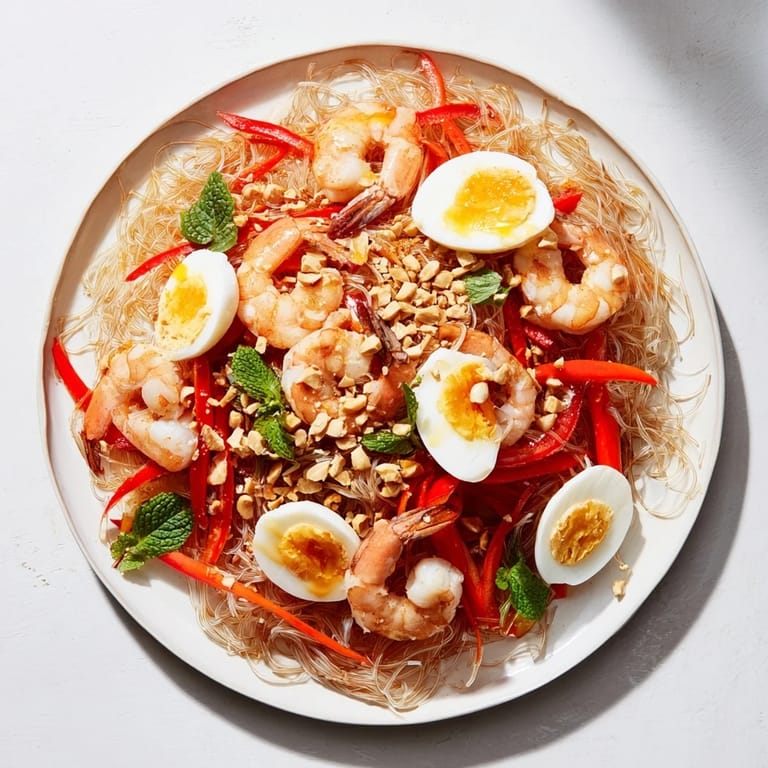
- Choose a section of your board for each protein type. Layer your sliced chicken in a neat fan or stack, then your shrimp in another section, then your egg halves. Think of yourself as an artist—there's no right way, just your way. Some people love chaos and color overlapping everywhere; others prefer neat rows. Either way, the board should make you smile when you look at it.
- Build the sauce moment:
- This is the beating heart of your board. If you have a divided bowl or small bowls, place them in the center of your platter. Pour each sauce into its own section—the deep brown of soy, the warm beige of peanut sauce, the dark red of hoisin, the bright orange of sweet chili. If your bowl sits in the center, it becomes both functional and beautiful, a beacon that says 'the flavors start here.'
- Fill the spaces with confidence:
- Now comes the intuitive part. Take your cooled noodles and create nests or piles around the board. Tuck vegetable slices between the noodles—your carrots here, your cucumber there, red cabbage making bold strokes of color. Let the edamame cluster in one spot like little green jewels. The red radish slices can catch light if you arrange them with their thin sides facing up. Scatter your scallions like you're painting with green brushstrokes. This isn't a chore; this is where the magic happens.
- Crown it with garnish and freshness:
- Just before serving, scatter your cilantro and mint over the board—don't be shy, they're meant to be abundant. Sprinkle your chopped peanuts and toasted sesame seeds across the top, letting some land where they will. Arrange your lime wedges around the edges like little jewels. Step back. You've just created something that looks like it came from a restaurant, except it came from your hands and your heart.
- Serve with ceremony:
- Place this board in the center of your table and watch faces light up. The beauty of this dish is that everyone becomes an active participant. They choose their noodles, their protein, their vegetables, their sauce combination. It's interactive, it's personal, and it makes everyone feel like they're getting exactly what they need.
 Save
Save I'll never forget when my 7-year-old nephew looked at this board and said, 'It's too pretty to eat,' then immediately grabbed a lime wedge and a handful of noodles. That's the moment I knew this recipe was more than beautiful—it was permission to play, to customize, to make something that felt entirely yours. That's the feeling I want everyone to have when they look at this board.
The Art of the Board
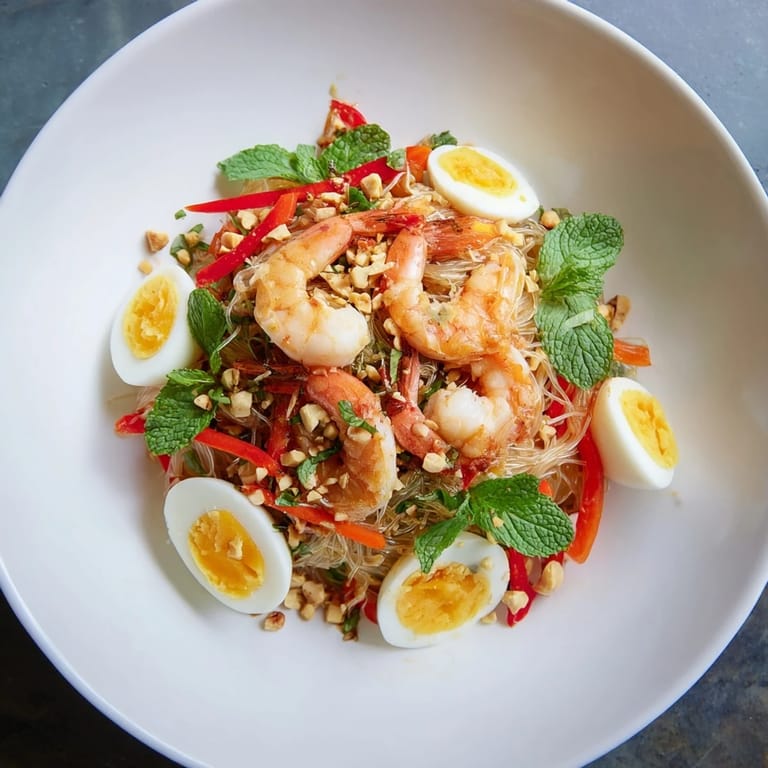
Arrangement is everything here, but not in a stressful way. Think of it like you're conducting an orchestra—each ingredient has its voice, and the board is where those voices get to harmonize. Start with a calm center (your sauces), build confidence radiating outward, and let colors echo and complement each other. Warm oranges and reds shouldn't shout alone; balance them with cool greens and whites. The beauty of this dish is that it forgives imperfection—in fact, a slightly chaotic, bursting-with-life board often looks more inviting than a too-perfect one. Let your instincts guide you.
Protein Flexibility and Swaps
This is where the noodle board truly sings. Your board can be a love letter to whoever's sitting at your table. Skip the shrimp if shellfish allergies loom, and no one will miss it—double the chicken instead, or add sliced duck for richness. Vegetarian? Layer on marinated tofu that's been pressed and pan-fried until it has crispy edges, and suddenly your board is a celebration of plant-forward eating. I've even made a version with thinly sliced beef tenderloin for a date night that felt restaurant-quality, and another with canned tuna for a casual weeknight when I didn't have time to cook protein. The noodles and vegetables do the heavy lifting—proteins are just the supporting cast, as important or unimportant as your guests need them to be.
Timing, Temperature, and the Joy of Serving
Assemble this board no more than 15 minutes before serving—the vegetables stay crispest, the herbs stay brightest, and the whole thing tastes like it was just created rather than sitting and oxidizing. Everything on this board should be at room temperature or cool; there's nothing worse than warm lettuce next to cold noodles creating a strange textural battle. Teach your guests that the ritual of this board is about dipping, assembling, experimenting. Show them how to take a bite of noodles, wrap it in a piece of cucumber for crunch, hit it with a line of peanut sauce, then squeeze lime. Suddenly they're not just eating; they're discovering. And isn't that what cooking together is really about?
- Chill your serving board in the freezer for 10 minutes before plating if your kitchen is hot—it keeps everything fresher longer
- The sauce in the center loses its magic if it sits around; make it fresh the day of, or at most the morning of, and watch it transform everyone's experience
- Set out small plates and napkins—this is a casual, hands-on meal, and people need permission to get a little messy
 Save
Save This board is an invitation to slow down, to choose your own flavor adventure, to remember that eating together doesn't mean eating the same thing. Make it, watch it disappear, and then make it again because you'll be asked for this recipe.
Recipe FAQ
- → What noodles work best for this bowl?
Rice noodles or soba noodles are ideal for their texture and ability to absorb flavors without becoming mushy.
- → Can I make this dish vegetarian?
Yes, substitute chicken and shrimp with firm tofu to maintain protein variety while keeping it plant-based.
- → How are the dipping sauces presented?
Four different sauces are served in a central divided bowl, allowing guests to mix and match flavors.
- → What fresh ingredients add crunch and color?
Julienned carrots, cucumber, red bell pepper, red cabbage, edamame, radishes, and scallions provide vibrant crunch.
- → How can I adapt this for gluten intolerance?
Replace soy sauce with tamari and ensure all sauces used are certified gluten-free.