 Save
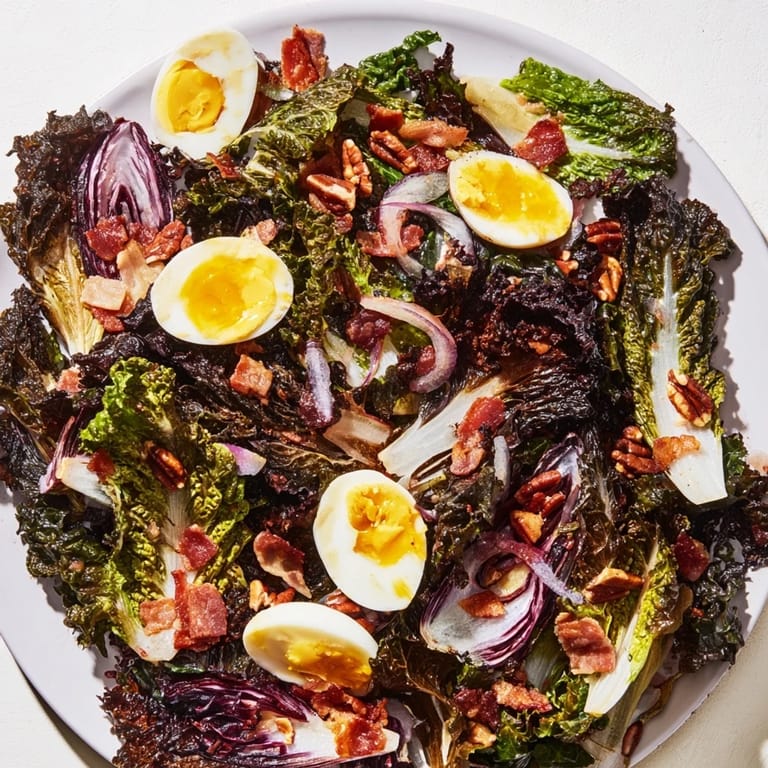
Save My neighbor brought over a plate of wilted greens dressed in hot bacon fat one crisp autumn evening, and I realized I'd been eating salads all wrong. The greens weren't limp from poor storage—they were intentionally surrendered to warmth, their bitterness softening into something almost sweet. That moment changed how I think about salad entirely, shifting it from a cold side dish to something alive and comforting on the plate.
I made this for a winter potluck once, nervously arriving with a bowl of what looked deceptively simple. By the time people finished eating, they were asking for the recipe, and someone's grandmother mentioned it reminded her of something her own mother used to make. That's when I understood—this salad speaks to something older than trends.
Ingredients
- Mixed bitter greens: Escarole, frisée, dandelion, radicchio, and chicory give you a range of textures and bite; if you can't find all of them, any two or three work perfectly fine, and the variety is what makes it interesting.
- Red onion: Thin slices add a sharp edge that plays beautifully against the warm bacon fat and slightly bitter greens.
- Thick-cut bacon: The thicker the better—it renders evenly and gives you substantial, chewy pieces instead of scattered crumbles.
- Red wine vinegar: The acidity is essential; it balances the richness without being timid about it.
- Dijon mustard: A teaspoon is enough to add body and a subtle grain flavor that anchors everything together.
- Honey: Just a touch—enough to whisper sweetness, not shout it.
- Extra-virgin olive oil: This is where you can taste the difference between okay and memorable; use the good stuff.
Tired of Takeout? 🥡
Get 10 meals you can make faster than delivery arrives. Seriously.
One email. No spam. Unsubscribe anytime.
Instructions
- Prepare your greens:
- Rinse and dry the bitter greens thoroughly—water clinging to them will dilute your warm dressing. Tear them into pieces you can actually eat without wrestling with your fork, then toss them with the sliced red onion in your largest bowl.
- Cook the bacon:
- Dice it and lay it in a cold skillet, then turn the heat to medium; this helps it render evenly instead of crisping too fast. You're looking for about seven to nine minutes of steady sizzle until the pieces are truly crisp.
- Build the dressing:
- Once the bacon hits a paper towel, reduce your heat to low and work directly in that skillet where all the savory brown bits live. Add the vinegar, mustard, honey, pepper, and salt, whisking until you smell the mustard's warmth rising up.
- Emulsify with care:
- Slowly drizzle in the olive oil while whisking—patience here pays off in a dressing that feels silky rather than separated. You want the skillet hot enough that steam rises slightly, but not smoking.
- Dress and toss immediately:
- Pour that hot dressing straight over your greens and onions while it's still warm, then scatter the bacon on top and toss everything together. The heat will gently soften the greens without killing their character.
- Plate and garnish:
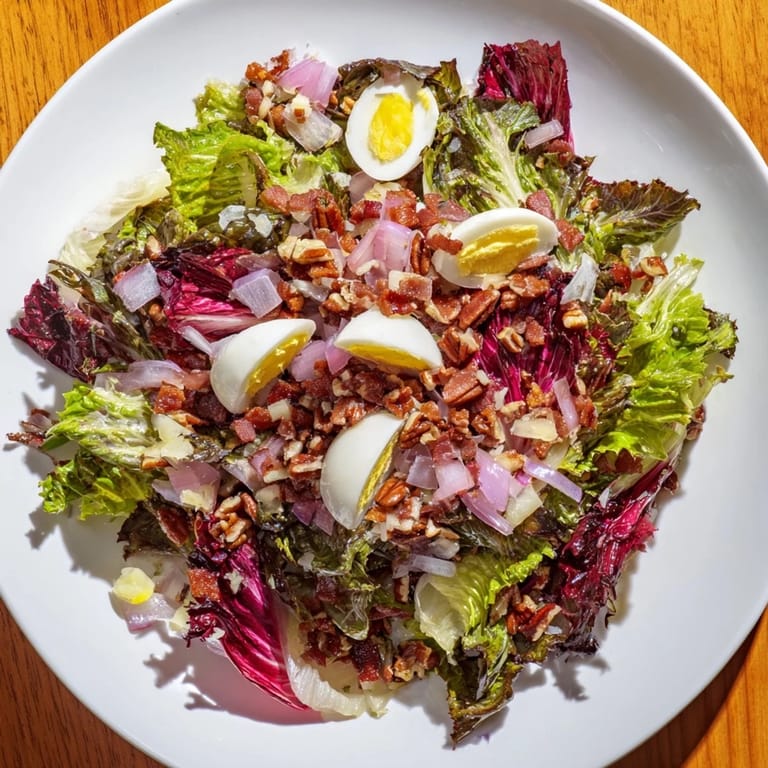
- Divide among bowls, top with quartered hard-boiled eggs and toasted nuts if you're using them, and serve while the salad still feels warm to the touch.
 Save
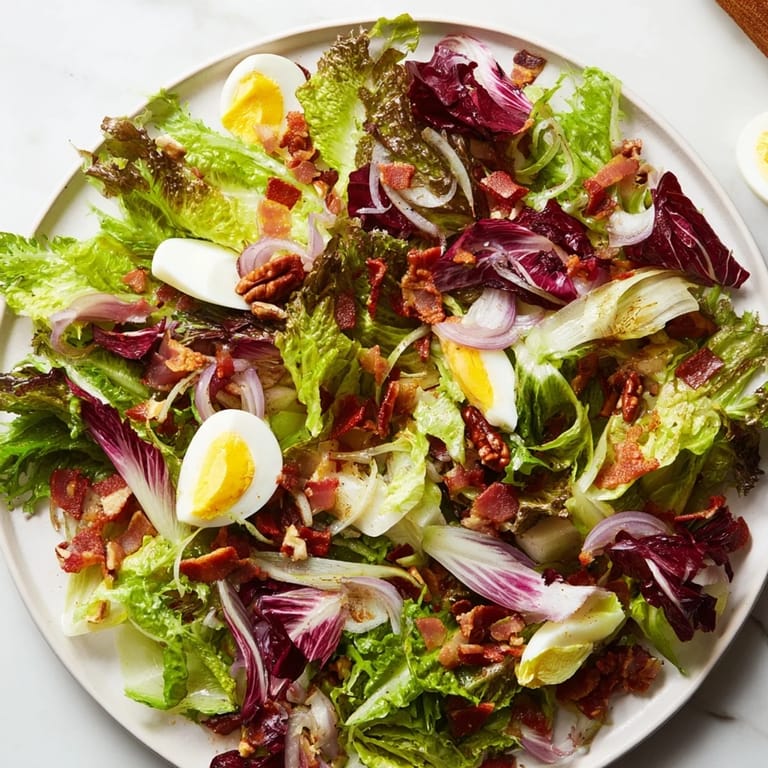
Save There's a moment after you toss everything together where the greens glisten and begin to soften, and you realize you're not making a salad so much as coaxing something stubborn into tenderness. That moment—when the plate becomes something more honest than it was a minute before—is why I keep coming back to this one.
The Story of Bitter Greens
Bitter greens were born from necessity, the vegetables that survived harsh winters and poor soil where sweeter things wouldn't grow. For centuries they were food for people who didn't have the luxury of choice, and somewhere along the way they became the thing we actually crave. When you taste escarole or chicory now, you're tasting that history, and treating them with respect—warming them gently, balancing their edge with acid and fat—feels like honoring where they came from.
Why Warm Vinaigrettes Change Everything
A cold dressing coats greens from the outside in; a warm one penetrates them, transforms them, becomes part of the eating experience rather than something sitting on top. The heat opens the leaves slightly, lets the vinegar and mustard settle into every wrinkle, and somehow makes the bitterness less confrontational. It's the difference between dressing a salad and actually cooking one, and once you understand that distinction, cold salads start feeling incomplete.
Variations and Improvisations
This salad is forgiving in the best way. Maple syrup instead of honey shifts the whole mood toward autumn, while thin apple or pear slices add brightness and texture. If you're vegetarian, sautéed mushrooms develop a similar savory depth when you cook them in olive oil with garlic and thyme, then use that fat as your dressing base. The framework is solid enough that you can play within it without things falling apart.
- Swap the hard-boiled eggs for crumbled goat cheese if eggs feel too heavy.
- Toast your nuts right before serving to keep their crunch from getting lost in the warm greens.
- If you only have access to milder greens, this still works—just know you're making a gentler version of the same conversation.
 Save
Save This salad reminds me that sometimes the best food comes from understanding how a few simple things—heat, acid, fat, bitter—can talk to each other and create something worth gathering around. It's the kind of dish that tastes like confidence and generosity at the same time.
Recipe FAQ
- → What types of greens work best in this salad?
A mix of bitter greens such as escarole, frisée, dandelion, radicchio, and chicory offers the perfect balance of flavor and texture.
- → How is the warm bacon dressing made?
Bacon is cooked until crisp, then its fat is combined with red wine vinegar, Dijon mustard, honey, black pepper, salt, and olive oil to create a warm, emulsified vinaigrette.
- → Can I substitute ingredients in the dressing?
Yes, honey can be swapped for maple syrup for different sweetness, and olive oil can replace bacon fat for a vegetarian version with sautéed mushrooms.
- → What garnishes complement this dish?
Hard-boiled eggs and toasted walnuts or pecans enhance both flavor and texture, adding richness and crunch.
- → Is this dish suitable for a gluten-free diet?
Yes, all ingredients are naturally gluten-free, but check labels to ensure no hidden gluten is present.