 Save
Save I stumbled on çılbır during a cold February morning when I had leftover yogurt and a craving for something warm but not heavy. The combination sounded strange at first, hot eggs on cold yogurt, but one bite and I understood why this dish has survived centuries. The creamy tang of garlicky yogurt against a runny yolk, then that hit of sumac butter, it woke up my entire palate. Now it's my go-to when I want breakfast to feel like an occasion without the fuss.
The first time I made this for a friend, she paused mid-bite and asked if I'd been hiding my cooking skills. I laughed because all I did was poach eggs and stir yogurt with garlic. But that's the magic of çılbır, it feels luxurious without demanding any tricky techniques. We ate it slowly, dipping torn bread into the puddle of sumac butter and yolk, and I realized some of the best meals are the ones that make you slow down.
Ingredients
- Eggs: Use the freshest eggs you can find because the whites hold together better when poaching, giving you those clean, pillowy shapes instead of wispy strands.
- Greek yogurt: Full-fat works best here since it stays creamy under the heat of the eggs and doesn't turn watery or separate on the plate.
- Garlic: Grating it fine instead of mincing keeps the flavor smooth and integrated, no harsh chunks to surprise you mid-bite.
- Sumac: This is the soul of the dish, tart and fruity, it brightens the butter and makes the whole plate sing.
- Aleppo pepper: Adds a gentle warmth without overwhelming the delicate yogurt, but you can skip it if you prefer things mild.
- Pomegranate seeds: They're not just pretty, they bring little pops of juice that cut through the richness and make each forkful feel alive.
- White vinegar: Just a splash in the poaching water helps the egg whites set quickly and neatly around the yolk.
Tired of Takeout? 🥡
Get 10 meals you can make faster than delivery arrives. Seriously.
One email. No spam. Unsubscribe anytime.
Instructions
- Prepare the yogurt base:
- Stir the yogurt with grated garlic and salt until smooth, then spread it onto your plates like a soft cloud. This cool, tangy bed is what makes the eggs feel comforting instead of heavy.
- Simmer the poaching water:
- Bring a saucepan of water to a gentle simmer, not a rolling boil, and add the vinegar. The bubbles should be lazy and slow, that's the sweet spot for tender poached eggs.
- Poach the eggs:
- Crack each egg into a small bowl first, then swirl the water and slip them in one at a time. Let them cook undisturbed for 3 to 4 minutes until the whites are set but the yolks still jiggle when you nudge them with a spoon.
- Drain and place the eggs:
- Lift the eggs out with a slotted spoon and let them rest briefly on a paper towel to shed excess water. Nestle two eggs onto each yogurt-covered plate.
- Make the sumac butter:
- Melt butter and olive oil together over medium heat, then stir in sumac and Aleppo pepper. It'll sizzle and smell incredible, earthy and bright at once, pull it off the heat after 30 seconds.
- Finish and serve:
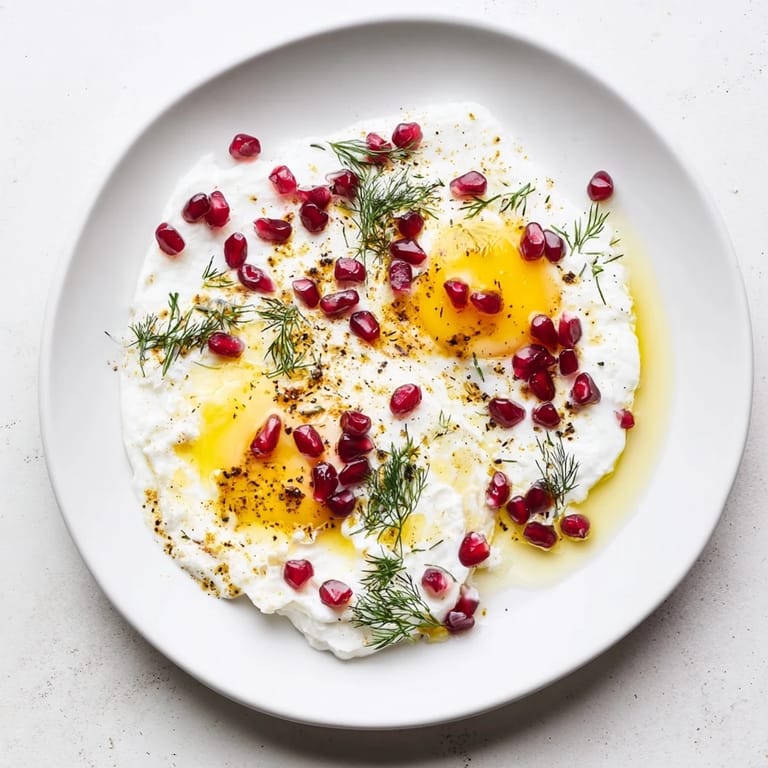
- Drizzle the hot spiced butter over everything, then scatter pomegranate seeds, herbs, and black pepper on top. Serve right away while the eggs are warm and the yogurt is still cool.
 Save
Save One Sunday morning, I made çılbır and set it on the table with a stack of warm pita. My partner wandered in half-awake, took one look, and said it smelled like vacation. We sat there in our pajamas, dragging bread through the yolk and sumac butter, and for a few minutes it really did feel like we'd traveled somewhere far away. That's what I love about this dish, it turns an ordinary morning into something you remember.
What to Serve Alongside
Warm pita or crusty sourdough is essential for scooping up every last bit of butter and yolk. I also like setting out a small dish of olives and sliced cucumbers to keep things bright and refreshing. If you want to go all in, add a pot of strong black tea or Turkish coffee and maybe some honeyed ricotta on the side.
How to Store and Reheat
Honestly, this dish is best eaten fresh since reheating poached eggs never quite works. If you have leftover yogurt base, you can keep it covered in the fridge for a day and poach fresh eggs the next morning. The sumac butter can be made ahead and gently rewarmed in a small pan, just don't let it bubble or it'll lose that silky texture.
Make It Your Own
I've swapped sumac for za'atar when I'm out, and it gives the dish a more herbal, oregano-forward vibe. Some mornings I add a handful of sautéed spinach under the eggs for extra greens, or crumble a bit of feta into the yogurt for a saltier, creamier base. If you can't find pomegranate seeds, try thinly sliced radishes for crunch and a peppery bite.
- Use labneh instead of Greek yogurt for an even thicker, tangier base.
- Add a drizzle of honey over the finished plate if you like sweet and savory together.
- Try poaching the eggs in vegetable broth instead of water for a subtle flavor boost.
 Save
Save This dish taught me that breakfast doesn't have to be sweet or predictable to feel special. Every time I make it, I'm reminded that good food is just a few simple ingredients treated with care and a little bit of curiosity.
Recipe FAQ
- → What is the best way to poach eggs for this dish?
Use gently simmering water with a splash of white vinegar, swirling the water before sliding in the eggs. Poach until whites set and yolks remain runny, about 3-4 minutes.
- → Can I substitute Greek yogurt in the yogurt base?
Strained plain yogurt works well as a substitute for a more traditional texture while maintaining creaminess.
- → How does sumac enhance the dish?
Sumac adds a tangy, lemony flavor that complements the richness of the butter and eggs, brightening the overall taste.
- → Is it necessary to use pomegranate seeds?
Pomegranate seeds provide a fresh, juicy contrast with a slight sweetness, but the dish can be enjoyed without them if unavailable.
- → What herbs pair best with this dish?
Fresh dill or parsley add a herbaceous note that complements the tangy and rich flavors effectively.
- → Can this dish be made gluten-free?
Yes, all ingredients are naturally gluten-free, but avoid serving with bread if strict gluten avoidance is required.