 Save
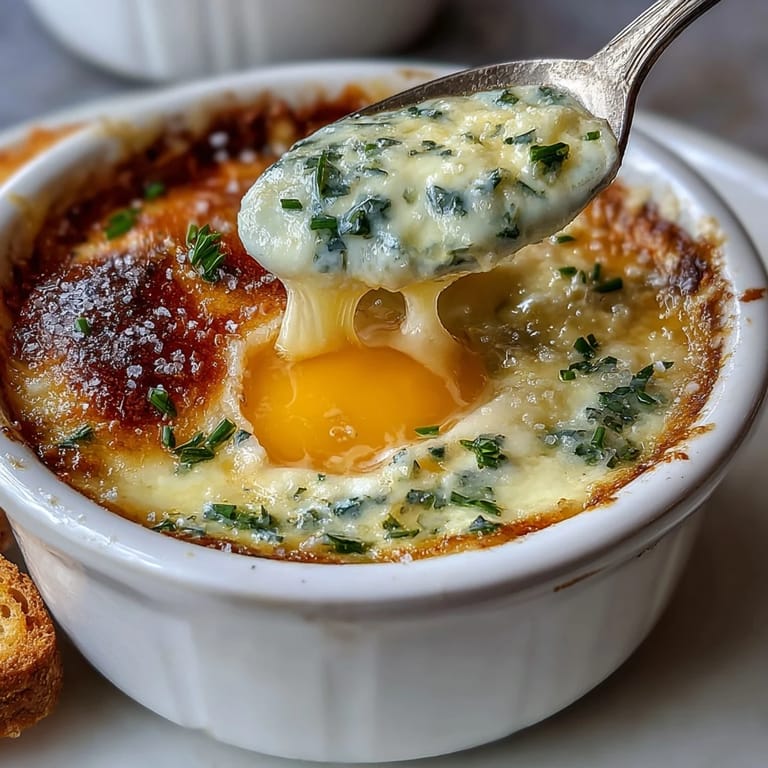
Save Steam curled against the kitchen windows the first time I made eggs en cocotte. I hadn't planned to wow anyone that morning but the scent of butter and herbs managed to hush a roomful of chattering friends. There's a gentle anticipation as the eggs bake, the tops barely trembling under a drift of melted parmesan. These are the sort of moments you want to linger: calm, inviting, with each ramekin promising something delicate beneath its golden surface.
I once baked these on Easter morning for my sister, distracting her from a rainy sky. Her first spoonful drew a delighted grin that set the tone for the day. Now anytime my kitchen is quieter than I’d like, this is the dish I reach for. Even the sizzle of butter in the ramekins cheers me up.
Ingredients
- Unsalted butter: Greasing the ramekins with real butter offers a golden edge and subtle richness—don’t skimp, it’s worth it.
- Heavy cream: A two-tablespoon pool in each ramekin lays the perfect creamy foundation, preventing tough eggs.
- Grated parmesan cheese: Freshly grated gives the silkiest melt and a nutty tang (store-bought shreds just don’t behave the same).
- Large eggs: Crack cold eggs one at a time into a cup before adding—this keeps yolks whole and prevents broken shells.
- Fresh chives, parsley, thyme: Chopping them just before baking means the fragrance bursts forward when the ramekins hit the oven.
- Salt and freshly ground black pepper: A subtle touch is enough; over-seasoning can drown out the buttery custard flavor.
- Optional Garnish - extra chives or parsley: I always finish with a fresh sprinkle for color and an herbal pop.
Tired of Takeout? 🥡
Get 10 meals you can make faster than delivery arrives. Seriously.
One email. No spam. Unsubscribe anytime.
Instructions
- Start the oven and boil water:
- Preheat your oven to 375°F (190°C) while your kettle whistles; that hot water makes sure everything bakes gently.
- Prepare ramekins:
- Butter each ramekin generously until every surface glistens; you’ll thank yourself when the eggs slide right out.
- Pour in cream:
- Slide two tablespoons of heavy cream into each ramekin, watching it creep into every corner.
- Scatter herbs and cheese:
- Sprinkle half the herbs and a pinch of parmesan onto the cream, already promising big flavor.
- Add eggs:
- Crack two eggs into a small cup (to keep the yolks whole), then gently tumble them into the ramekin on top of the herby cream.
- Season and finish with toppings:
- Dust with salt, pepper, the rest of the herbs, a final shower of parmesan, and dot with a chilly nub of butter.
- Make a water bath:
- Set ramekins into a deep baking dish and carefully pour boiling water around them, halfway up the sides—no splashing on the eggs!
- Bake to perfection:
- Slide into the oven for 12–15 minutes; peek to see if the whites are just set and the yolks are still invitingly wobbly.
- Rest and serve:
- Remove carefully from their bath, let them settle for two minutes, and scatter fresh herbs over each just before serving.
 Save
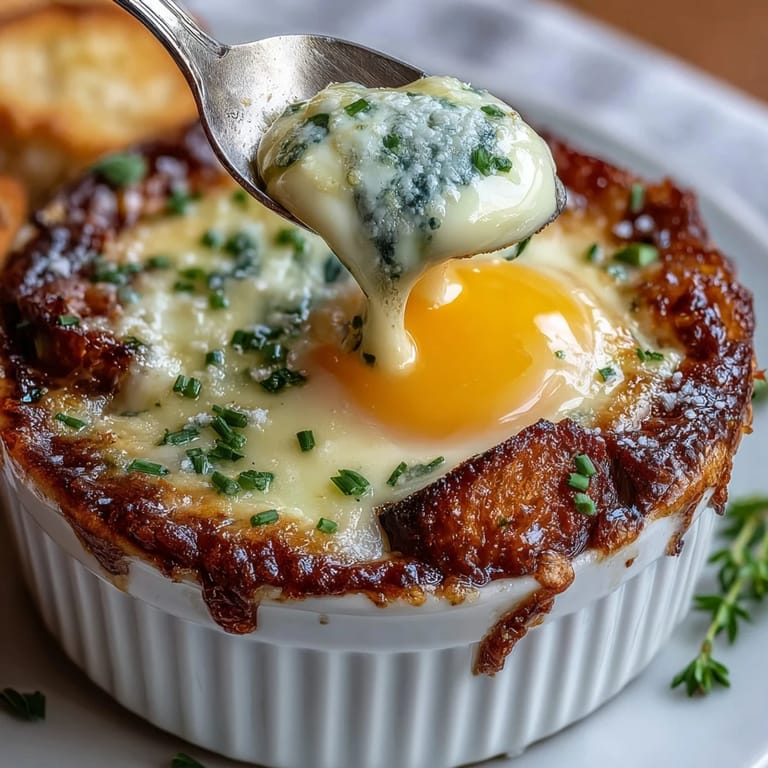
Save There was a day when I made a double batch so everyone could have seconds. We sat around in pajamas dunking buttery toast into the yolks, laughing at the mess—those extra ramekins have since become non-negotiable for brunches.
Ideas for Customizing
There’s no rule against tucking smoked salmon or spinached greens at the bottom, and swapping the cheese brings entirely new moods. Gruyère is especially welcome for a stretchier, richer forkful. Even goat cheese gives an earthy tang if I’m feeling bold.
Choosing the Right Ramekins
I tried using a couple of smaller cups once and the eggs cooked unevenly, leaving some nearly raw. Six-ounce ramekins are the safe bet, ensuring the right depth for creamy whites and molten yolks. If yours are thinner or shorter, shave two minutes off the bake and keep an eye out.
Serving Tips to Delight
Crisp toast or brioche points are not just optional, they’re nearly the point. Set out extra napkins and let guests scoop directly from the ramekin for true coziness.
- If you love runny yolks, start checking at 12 minutes.
- Fresh herbs sprinkled right before serving brighten the dish in both flavor and looks.
- If making for a crowd, assemble ahead and bake just before guests arrive for the best texture.
 Save
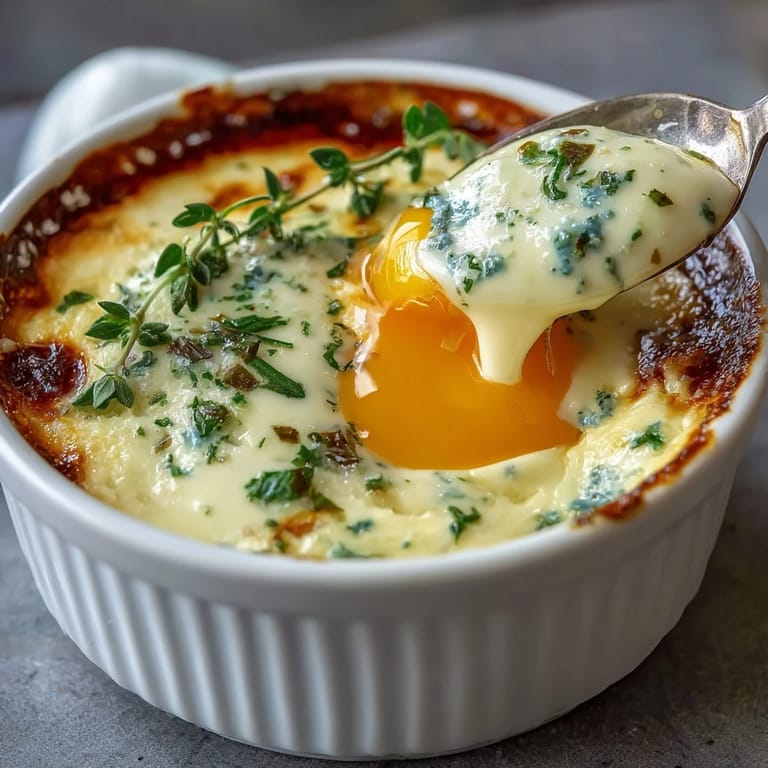
Save I hope your kitchen fills with the same gentle chatter and bright flavors these eggs always bring to mine. May you find joy in every ramekin, even on an ordinary morning.
Recipe FAQ
- → How long should I bake for runny yolks?
Bake the ramekins in a water bath at 375°F (190°C) for about 12–15 minutes. Check at 12 minutes—the whites should be set while yolks stay soft. Add 2–3 minutes for firmer yolks.
- → Can I prepare them ahead of time?
Assemble the ramekins up to 24 hours ahead and keep covered in the fridge. Bring them close to room temperature before baking and allow an extra minute or two in the oven if chilled.
- → What can I use instead of parmesan?
Swap parmesan for grated Gruyère, aged cheddar, or crumbled goat cheese for different flavor profiles. Stronger cheeses will brown more on top—watch closely.
- → Can I add vegetables or protein?
Yes—place sautéed spinach, mushrooms, or a small slice of smoked salmon in the bottom of each ramekin before adding cream and eggs. Pre-cook vegetables to remove excess moisture.
- → How do I avoid watery whites?
Use fresh eggs at room temperature and avoid overbaking. A gentle water bath prevents rapid temperature spikes and helps set whites evenly without weeping.
- → What should I serve with these?
They pair beautifully with toasted brioche or crusty bread for dipping, a simple green salad, or light pickled vegetables for contrast.