 Save
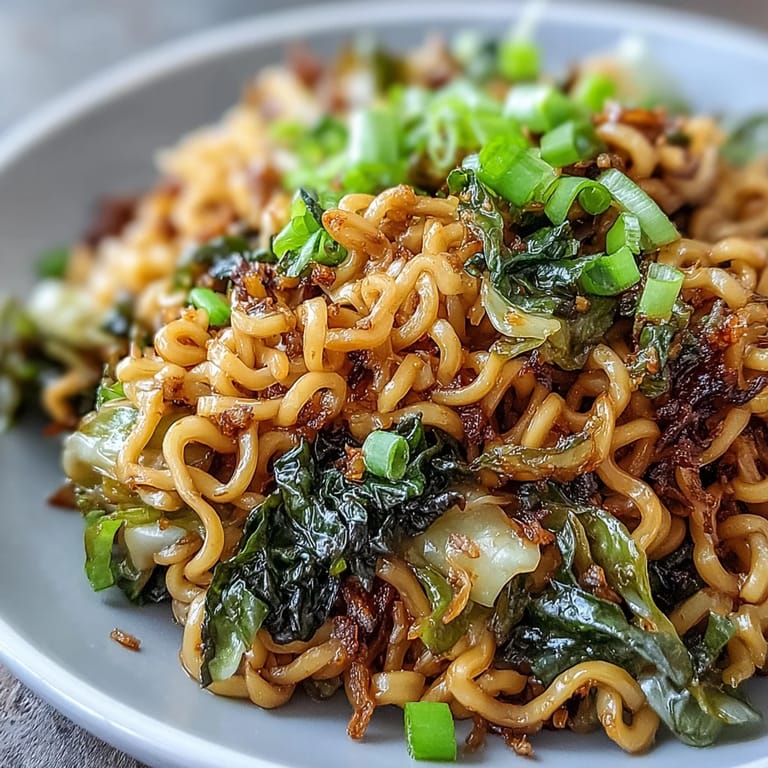
Save There's something wonderfully unpretentious about ramen that sits in your pantry—cheap, honest, asking only for hot water and a little creativity. One Tuesday night, I opened my cabinet to find three cups of cabbage that needed rescuing and two crumpled ramen packs, and something clicked. Twenty-five minutes later, I had this vibrant tangle of caramelized cabbage and chewy noodles that tasted like it came from a proper restaurant, not my small kitchen. My partner actually paused mid-bite, which doesn't happen often, and asked if I'd been secretly taking cooking classes.
I made this for my roommate on a night when she'd had a rough day, and watching her face light up when she tasted it reminded me that the best meals aren't complicated—they're just made with attention. She started requesting it weekly, which meant I got really good at this quickly, learning all the little tricks that transform it from ordinary to genuinely crave-able.
Ingredients
- Green cabbage (3 cups, thinly sliced): This is your star—slice it thin so it crisps up and caramelizes beautifully in the hot oil, creating those magical golden edges that make everyone wonder what your secret is.
- Carrot (1 medium, julienned): The thin cuts cook quickly and add natural sweetness that balances the savory sauce perfectly.
- Scallions (2, sliced with greens and whites separated): The whites go into the stir-fry for depth, and the greens finish the dish for fresh brightness and color.
- Garlic and ginger (2 cloves minced, 1 tablespoon grated): These build the aromatic base that makes your kitchen smell incredible and your taste buds perk up immediately.
- Instant ramen noodles (2 packs, seasoning discarded): Toss those seasoning packets—you're making your own sauce that's way better, and the plain noodles become your perfect vehicle for flavor.
- Soy sauce (2 tablespoons): The backbone of your sauce, bringing umami and saltiness that ties everything together.
- Oyster sauce (1 tablespoon): This adds a subtle sweetness and depth that makes people ask what the secret ingredient is (it's this).
- Toasted sesame oil (1 tablespoon): A little goes a long way—this fragrant oil elevates the whole dish from weeknight to memorable.
- Rice vinegar (1 teaspoon): Just enough brightness to cut through the richness and keep things balanced.
- Sugar (1 teaspoon): Rounds out the sauce and enhances all the other flavors without making it sweet.
- Chili flakes (1/2 teaspoon, optional): Add these only if you want gentle heat that builds gradually.
- Vegetable oil (2 tablespoons): High heat oil that lets your vegetables brown properly without burning.
Tired of Takeout? 🥡
Get 10 meals you can make faster than delivery arrives. Seriously.
One email. No spam. Unsubscribe anytime.
Instructions
- Cook your noodles and let them cool:
- Boil water, cook the ramen according to the package (usually just a few minutes), then drain and spread them on a plate so they don't clump together into one sad brick. If they cool slightly, they'll stay separate and chewy when you add them to the pan.
- Mix your sauce while the noodles cook:
- Whisk soy sauce, oyster sauce, sesame oil, rice vinegar, sugar, and chili flakes together in a bowl and let it sit—this gives the flavors a moment to get acquainted before they hit the hot pan.
- Get your pan smoking hot:
- Heat vegetable oil in a large skillet or wok over medium-high heat until it's properly hot; you'll see it shimmer and move easily across the surface. This is crucial—cold oil means steamed vegetables instead of the caramelized magic you're after.
- Build your aromatics:
- Add minced garlic, grated ginger, and the white parts of your scallions to the hot oil and stir constantly for about a minute until the kitchen smells like something incredible is happening. You're not cooking them through, just releasing their fragrant oils.
- Fry your vegetables until they have edges:
- Add the thinly sliced cabbage and julienned carrot, stirring frequently for 4 to 5 minutes—you want the cabbage to soften but still have some snap, with golden-brown spots appearing here and there. Resist the urge to stir constantly; let it sit for 20 seconds at a time so it actually caramelizes instead of just steaming.
- Bring everything together:
- Add your cooked noodles and pour the sauce over everything, then toss continuously for 2 to 3 minutes until the sauce coats every strand and the noodles are heated through. The pan should sound crispy and smell absolutely irresistible.
- Finish and serve immediately:
- Remove from heat, scatter the green parts of your scallions over the top, and serve right away while the noodles are still chewy and the cabbage still has that textural contrast. Waiting five minutes changes everything.
 Save
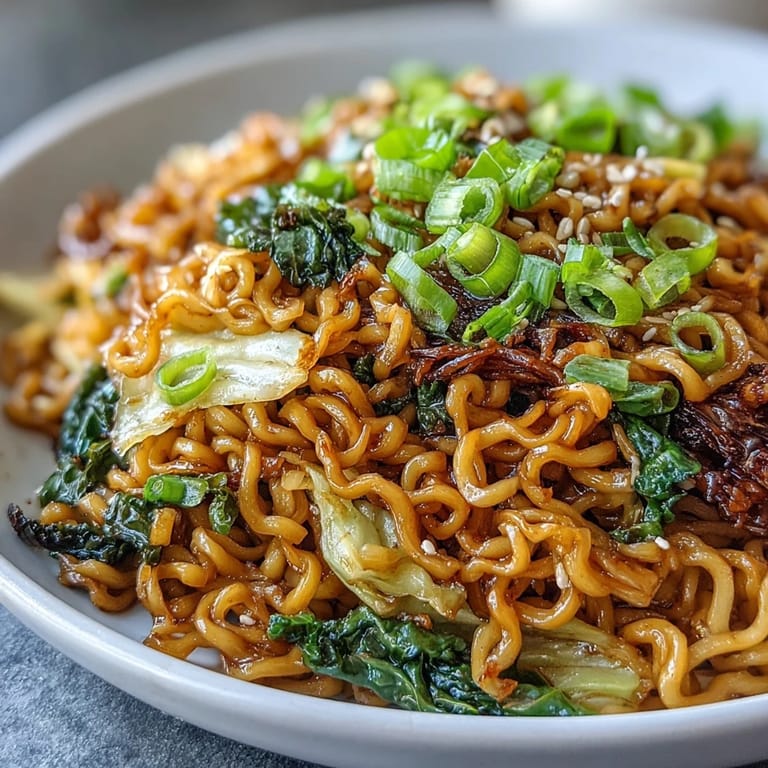
Save One evening, I made this for a friend who'd just become vegetarian and wasn't sure how to cook for herself yet, and seeing her realize she could actually make delicious food without meat shifted something for both of us. That dish became the foundation of her entire weeknight cooking repertoire, which feels like an honor somehow.
The Secret to Perfect Crispy Cabbage
The real magic happens when you stop babying the cabbage and let it actually sit in the hot pan long enough to develop color. I learned this through burning things occasionally and then overcompensating by constantly stirring, which taught me that the pan needs to get hot, the cabbage needs space to make contact with the surface, and time is your friend here. Stir-frying isn't about non-stop motion—it's about letting heat do the work while you pay attention.
Making It Your Own
This recipe is genuinely flexible, which is part of why I keep coming back to it. Bell peppers, mushrooms, snap peas, or broccoli all work beautifully—just adjust the cooking time based on how thick you've cut them. If you add protein, a fried egg is my preference, but crumbled tofu works if you're going that direction, and either one adds this textural surprise that makes the dish feel more complete.
Substitutions That Actually Work
I've tested this with tamari for gluten-free dinners, mushroom sauce instead of oyster sauce for a vegan version, and the dish holds up beautifully each time. The core ratio—two parts savory to one part sweet to one part acid—stays consistent, so you can play within that framework and trust the results.
- Tamari replaces soy sauce perfectly for gluten-free, as long as you verify your ramen noodles are also gluten-free.
- Mushroom sauce brings earthiness when you're skipping oyster sauce, keeping the depth intact.
- A squeeze of lime juice adds brightness that rice vinegar sometimes can't quite reach on heavier evenings.
 Save
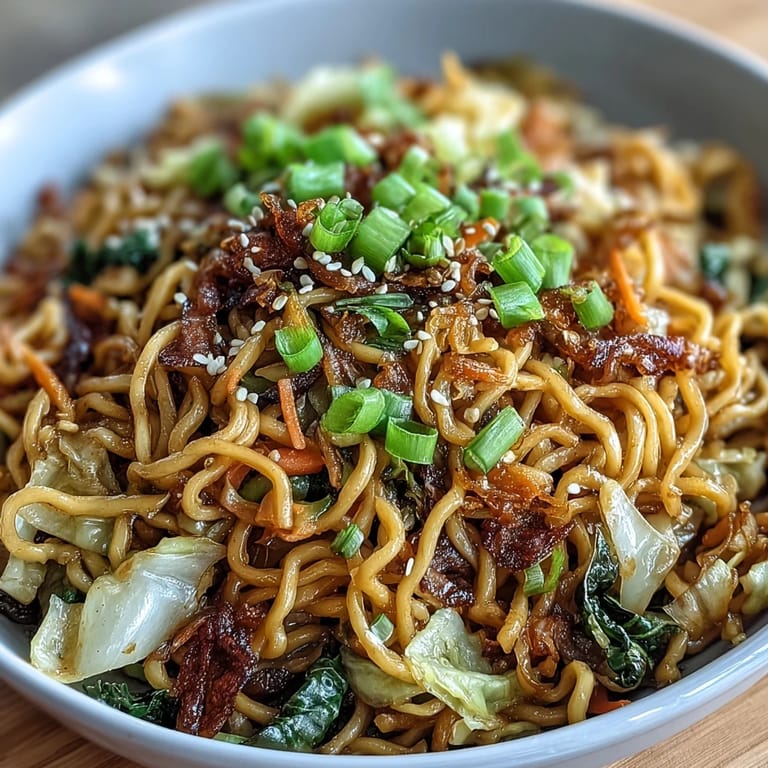
Save This meal lives in that beautiful category of recipes that feel elegant enough to make for guests but simple enough to throw together on a Tuesday when you're tired and hungry. It never disappoints, and it somehow tastes different every time you make it, which keeps it from becoming routine.
Recipe FAQ
- → Can I use fresh noodles instead of instant ramen?
Yes, fresh Asian noodles work great. Cook according to package directions and use about 200g total. The texture will be slightly different but equally delicious.
- → How do I make this dish vegan?
Replace oyster sauce with mushroom sauce or hoisin sauce. Double-check that your noodles don't contain eggs, and ensure all condiments are vegan-certified.
- → What type of cabbage works best?
Green cabbage is ideal for its crunch and mild flavor. Napa cabbage can be used for a more delicate texture, though it cooks faster and won't caramelize as well.
- → Can I prepare components ahead of time?
Yes, slice vegetables and mix the sauce up to 24 hours ahead. Cook noodles and stir-fry just before serving for best texture and flavor.
- → How do I get the cabbage properly caramelized?
Use high heat and avoid overcrowding the pan. Let the cabbage sit undisturbed for 30-60 seconds between stirs to develop golden edges and enhance flavor.
- → What proteins pair well with this dish?
Fried eggs, crispy tofu, grilled chicken, shrimp, or edamame all complement the savory flavors. Add protein during the final tossing stage to keep everything hot.