 Save
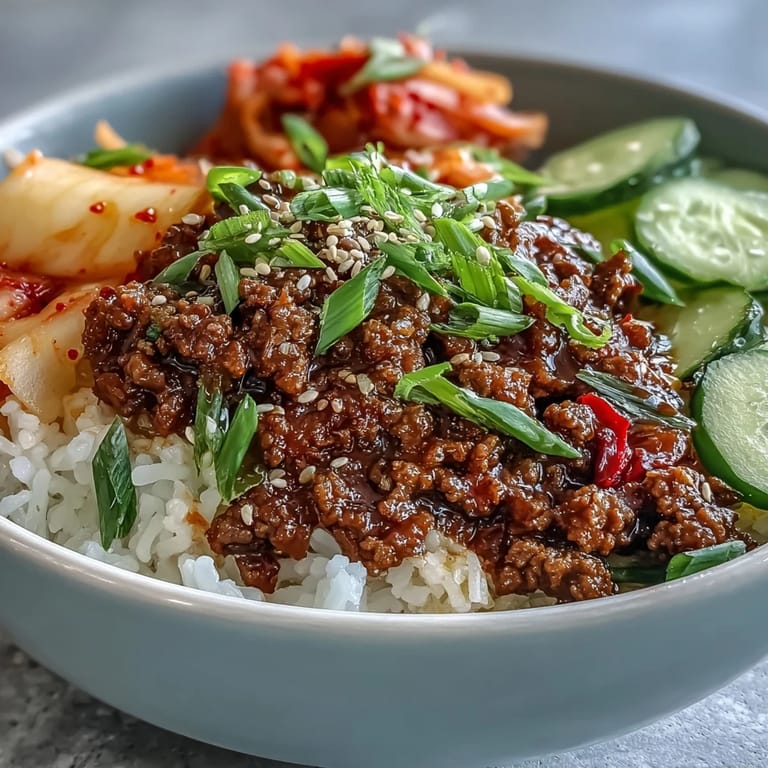
Save My neighbor knocked on my door one Tuesday night holding a container of kimchi and asked if I knew what to do with it. I didn't, but I pretended I did, and that's how I stumbled into making Korean beef bowls for the first time. The gochujang I found at the back of my pantry had been waiting for exactly this moment. What started as a favor turned into my most requested weeknight dinner.
I made this for my brother's birthday dinner because he'd been talking about Korean food for weeks. He took one bite, looked up, and said it tasted better than the place downtown he'd been raving about. I didn't tell him how easy it actually was. Sometimes it's better to let people think you worked harder than you did.
Ingredients
- Lean ground beef: The leaner the beef, the less fat you'll need to drain, which keeps the sauce from getting greasy and lets the gochujang flavor really shine.
- Gochujang: This fermented chili paste is the soul of the dish, bringing heat, sweetness, and a deep umami richness that soy sauce alone can't touch.
- Fresh ginger and garlic: Don't skip grating the ginger fresh, the sharpness mellows into something warm and aromatic that jarred ginger just can't replicate.
- Rice vinegar: It appears twice in this recipe for good reason, once to balance the beef's richness and again to give the pickled vegetables their tangy bite.
- Daikon radish and carrot: These julienned vegetables soak up the pickling liquid quickly and add a crisp, refreshing contrast to the warm, savory beef.
- Kimchi: Choose a kimchi that's had time to ferment, the tangier and funkier it is, the better it balances the sweetness of the beef.
- Toasted sesame oil and seeds: A little sesame oil at the end adds a nutty richness, and the seeds give each bite a quiet, toasty crunch.
- Green onions: Slice them thin and save half for garnish, their sharpness when raw is different from their mellow sweetness when cooked into the beef.
Tired of Takeout? 🥡
Get 10 meals you can make faster than delivery arrives. Seriously.
One email. No spam. Unsubscribe anytime.
Instructions
- Prepare the Pickled Vegetables:
- Whisk together rice vinegar, sugar, and salt in a small bowl until the sugar dissolves completely. Toss in the julienned carrot and daikon, then set it aside to pickle while you cook, they'll soften just enough without losing their crunch.
- Cook the Beef:
- Heat the vegetable oil in a large skillet over medium high heat, then add the garlic and ginger, letting them sizzle for about a minute until your kitchen smells incredible. Break up the ground beef with a spoon as it browns, cooking it through in 5 to 6 minutes, and drain any excess fat so the sauce stays silky.
- Season the Beef:
- Stir in the gochujang, soy sauce, brown sugar, rice vinegar, and sesame oil, watching as the sauce thickens and clings to every bit of beef. Let it cook for 2 to 3 minutes, then remove from heat and fold in half the green onions.
- Assemble the Bowls:
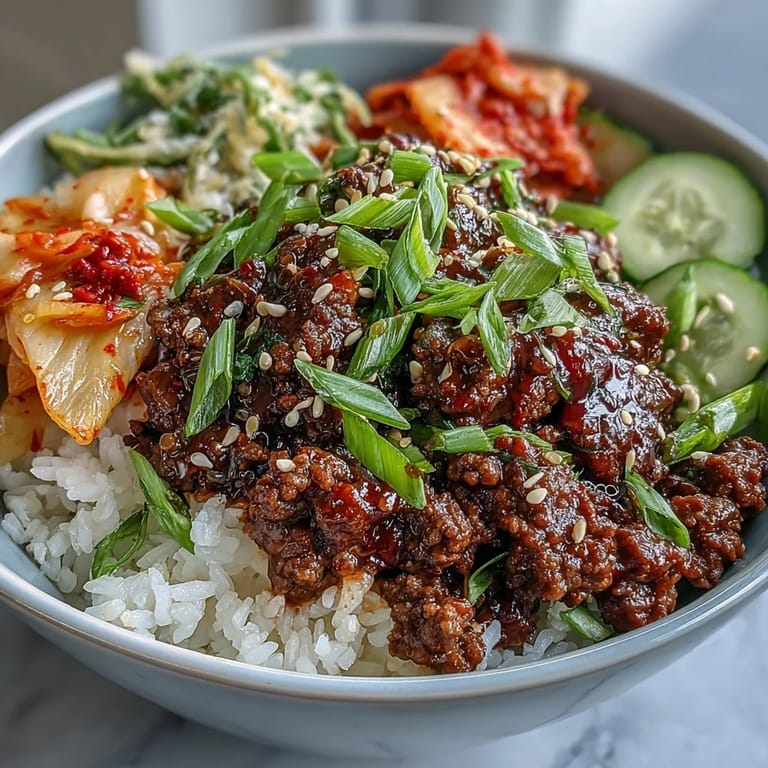
- Scoop the cooked rice into four bowls, then pile the beef mixture on top, letting it settle into the rice. Arrange the pickled vegetables, cucumber, radish, and kimchi around the beef, then finish with the remaining green onions and a generous sprinkle of sesame seeds.
- Serve:
- Bring the bowls to the table while the beef is still steaming. Let everyone mix their bowl themselves, it's part of the experience.
 Save
Save The first time I served this to friends, one of them scraped her bowl clean and asked if there was more. There wasn't, but I made a double batch the next time she came over. That's when I realized this recipe wasn't just dinner, it was the kind of meal that made people feel welcome and well fed in equal measure.
Making It Your Own
If you want more heat, drizzle sriracha over the top or stir extra gochujang into the beef while it cooks. I've also swapped ground chicken and turkey for the beef when I'm trying to keep things lighter, and both work beautifully as long as you don't overcook them. For a gluten free version, use tamari instead of soy sauce and double check that your gochujang doesn't contain wheat, some brands sneak it in.
What to Serve Alongside
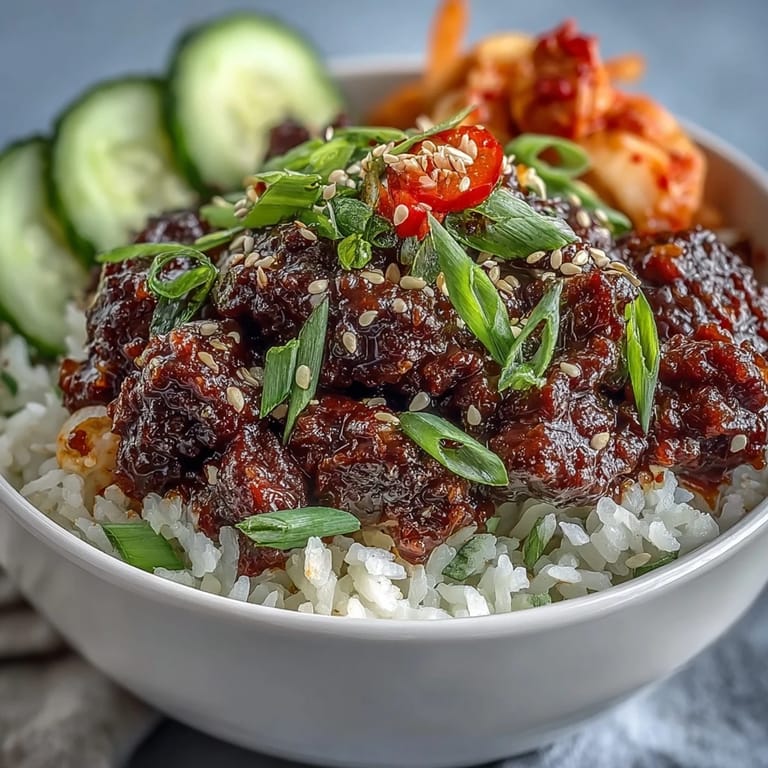
This bowl is filling enough to stand alone, but I like to pour a cup of chilled green tea or crack open a light lager to cut through the richness. If you're feeding a crowd, set out extra kimchi, pickled vegetables, and sesame seeds in small bowls so people can customize their portions. A simple cucumber salad dressed with rice vinegar and a pinch of sugar also makes a nice, cooling side.
Storage and Leftovers
The seasoned beef keeps in the fridge for up to three days and reheats beautifully in a skillet with a splash of water to loosen the sauce. Store the pickled vegetables separately so they stay crisp, and keep the rice in its own container to avoid sogginess. When you're ready to eat, reheat the components individually and assemble fresh bowls, it takes just a few minutes and tastes just as good as the first time.
- Reheat the beef gently over medium heat, stirring occasionally to prevent sticking.
- Let the pickled vegetables come to room temperature before serving for the best texture and flavor.
- If the rice dries out in the fridge, sprinkle it with a teaspoon of water and microwave it covered for a minute.
 Save
Save This bowl has become my answer to busy weeknights and last minute guests alike. It's proof that bold flavor doesn't require hours in the kitchen, just the right ingredients and a little bit of confidence.
Recipe FAQ
- → Can I make this bowl ahead of time?
The components can be prepared in advance. Store the seasoned beef, pickled vegetables, and rice separately in airtight containers in the refrigerator for up to 3 days. Reheat the beef gently before assembling the bowls.
- → What can I use instead of gochujang?
If unavailable, substitute with a mixture of red pepper flakes, miso paste, and a touch of honey or brown sugar. Sambal oelek mixed with a small amount of miso also provides similar heat and umami depth.
- → Is this dish very spicy?
The heat level is moderate and adjustable. Gochujang provides a gentle warmth rather than overwhelming spice. Reduce the amount or omit for a milder version, or add sriracha for extra heat.
- → Can I use different proteins?
Ground chicken, turkey, or pork work well as alternatives. For a vegetarian version, use crumbled tofu or plant-based ground meat alternative, adjusting cooking time accordingly.
- → How long should I pickle the vegetables?
Thirty minutes is sufficient for lightly pickled vegetables with a pleasant crunch. For more pronounced flavor and tanginess, let them sit for 1-2 hours or overnight in the refrigerator.
- → What other toppings work well?
Fried eggs, sautéed spinach, bean sprouts, sliced avocado, or marinated cucumber add variety. A drizzle of sesame oil or extra gochujang sauce enhances richness and flavor.