 Save
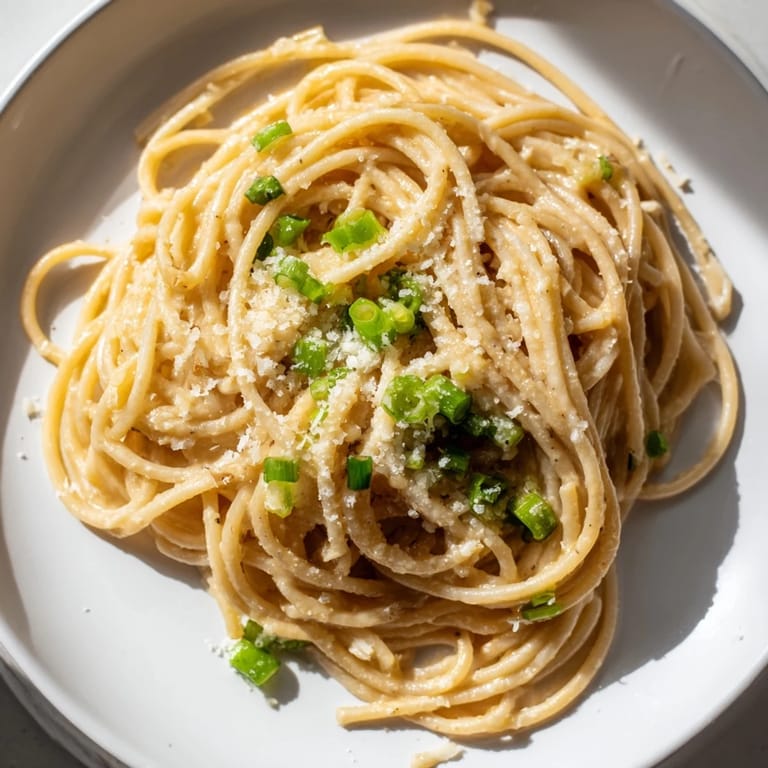
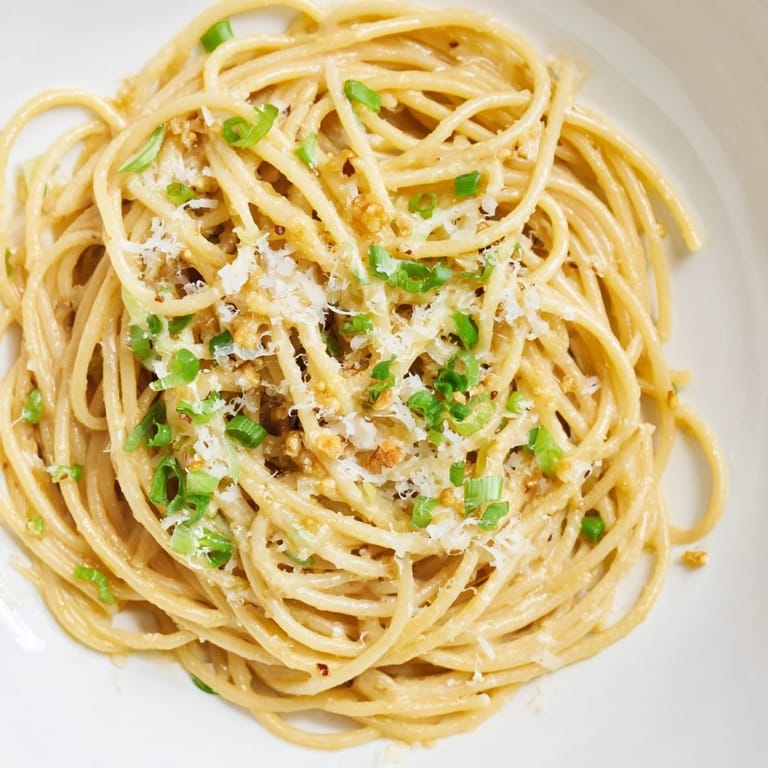
Save There's something about the moment when umami hits your palate that makes you understand why certain flavor combinations have traveled across oceans and centuries. I discovered miso butter pasta on a Wednesday night when I was rifling through my pantry, desperate for something more interesting than plain aglio e olio, and spotted a tub of white miso I'd forgotten about. The combination sounded almost too simple, too spare, yet twenty minutes later I was standing over a bowl of silky noodles coated in the most luxurious, deeply savory sauce I'd made in months. It became one of those dishes I now make when I want to feel like I'm cooking something special without the fuss.
I made this for friends who were visiting on short notice, back when I was still skeptical that miso and pasta could work together in a way that felt genuine and not gimmicky. The moment one of them took a bite and went quiet, then immediately asked for the recipe, I knew this was keeper territory. Now it's what I reach for when I want to impress without revealing that I barely had to think.
Ingredients
- Spaghetti or linguine, 350 g: The thin strands let the sauce cling beautifully; avoid thick pastas that would hide the delicate coating.
- Unsalted butter, 60 g softened: Use good butter you'd actually eat on toast, because it's the foundation of everything happening here.
- White miso paste, 2 tbsp: This is your umami anchor; it dissolves into the butter and creates something creamy without cream.
- Extra-virgin olive oil, 2 tbsp: Keeps the sauce from being too heavy and adds a fruity note that balances the fermented depth of miso.
- Garlic cloves, 4 finely minced: Mince them small so they melt into the oil and distribute evenly; big chunks will overpower.
- Freshly ground black pepper, 1 tsp: Grind it yourself right before cooking because pre-ground loses its bite.
- Red pepper flakes, 1/4 tsp optional: Adds a whisper of heat that makes you notice the other flavors more.
- Grated Parmesan cheese, 40 g: Adds a salty, nutty finish that plays beautifully with the miso's funk.
- Fresh chives or scallions, 2 tbsp chopped: The brightness cuts through the richness and looks like you actually care about plating.
- Lemon wedges, to serve: A squeeze at the end lifts everything and reminds you that acid is your friend.
Tired of Takeout? 🥡
Get 10 meals you can make faster than delivery arrives. Seriously.
One email. No spam. Unsubscribe anytime.
Instructions
- Start your pasta water:
- Fill a large pot with water, salt it generously until it tastes like the sea, and let it roll to a boil while you prep everything else. This takes about ten minutes and it's the most important step because underseason here and your whole dish suffers.
- Cook the pasta:
- Add pasta to the boiling water and cook it to al dente, which usually means a minute or two under package instructions. Before draining, scoop out a full cup of that starchy water and set it aside because it's liquid gold for creating a silky sauce.
- Build the miso butter:
- While pasta cooks, combine softened butter and white miso in a small bowl and mix until completely smooth and creamy. This step matters because lumpy miso will never fully melt into your sauce.
- Wake up the garlic:
- Pour olive oil into a large skillet over medium heat and add your minced garlic, letting it sizzle gently for about a minute until it smells incredible but before it turns golden and bitter. You want it fragrant, not cooked.
- Melt in the miso butter:
- Lower the heat to low and add your miso butter mixture to the garlicky oil, stirring constantly until everything is melted and the color becomes a warm, nutty brown. Don't rush this or the heat will break the emulsion.
- Bring it all together:
- Add your drained pasta directly to the skillet and toss gently with tongs, adding reserved pasta water a tablespoon at a time until the sauce coats every noodle and looks glossy rather than clumpy. This is where the magic happens and it usually takes about a quarter cup of that starchy water.
- Finish and serve:
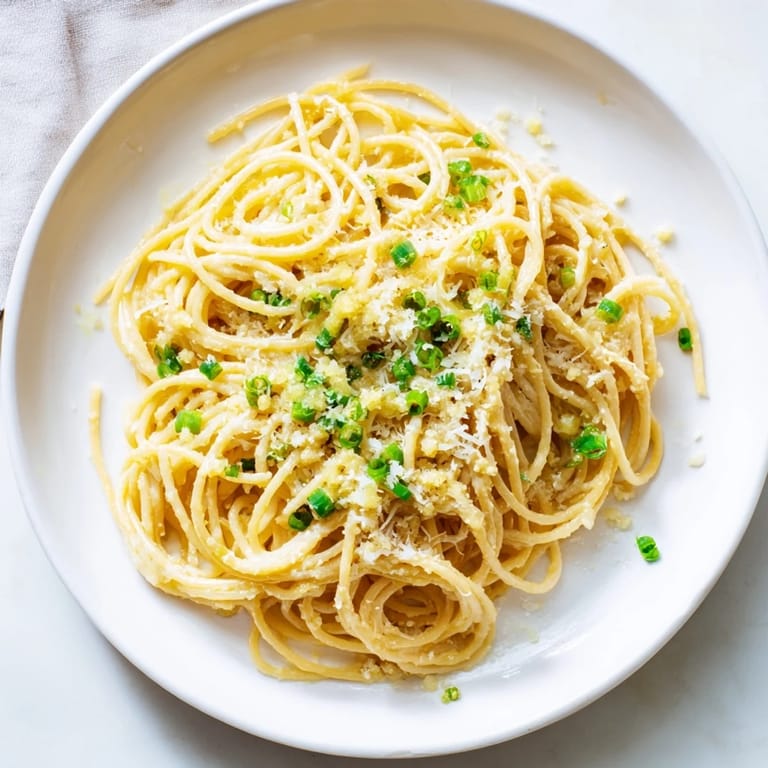
- Stir in black pepper and red pepper flakes if using, then remove from heat and scatter Parmesan over everything, tossing one more time to combine. Serve immediately while the sauce is still silky, topped with chives and a squeeze of fresh lemon that makes everything taste more like itself.
 Save
Save There was an afternoon in my friend's tiny kitchen where she made this for me while we talked through some big life decisions, and I realized that sometimes the most meaningful meals are the ones made without fanfare, just good ingredients and a friend who cares enough to cook. The simplicity of it, the way five minutes of cooking turned into something so comforting, became part of why I reach for this recipe when I need something that feels both nourishing and thoughtful.
The Magic of Miso in Unexpected Places
Miso paste is one of those ingredients that opens doors in your cooking once you understand that it's not just for Japanese soup. Its depth of flavor, built from months or years of fermentation, adds a savory complexity that most people would expect to come from meat or bone broth. In this pasta, it acts like an amplifier for every other flavor, making the garlic taste garlickier, the butter taste richer, and the Parmesan sing a little louder. The first time I understood that miso could be a secret weapon in Italian cooking was honestly revelatory.
Why Butter and Oil Together
It might seem redundant to use both butter and olive oil, but each one does something the other can't. The butter brings richness and emulsifies with the pasta water to create that silky coating, while the olive oil lowers the smoke point and keeps the sauce from being too heavy or feeling slick. Together they create a balanced sauce that feels luxurious without being overwhelming, and that ratio is what separates this from just being buttery noodles.
Variations and Additions That Work
The beauty of this base is that it adapts beautifully to whatever you have on hand or whatever season you're cooking in. The framework is sturdy enough that you can build on it without losing what makes it special. A handful of torn spinach wilts into the residual heat in about thirty seconds, roasted mushrooms add earthiness that echoes the miso, and a soft-boiled egg perched on top turns it into something even more luxurious. I've also played with swapping half the Parmesan for a sharp aged cheddar when I wanted something with more punch, and adding a pinch of white miso to the pasta water itself for an extra layer of umami.
- Sautéed mushrooms or wilted spinach add body without changing the core flavor profile.
- A soft-boiled or poached egg on top makes this feel like a celebration instead of a weeknight dinner.
- Fresh herbs like basil or mint can work if you're feeling creative, though chives stay the safest bet.
 Save
Save This is the kind of dish that reminds you why cooking matters, not because it's complicated or impressive, but because it takes a handful of thoughtful ingredients and turns them into something that feels like comfort and sophistication at the same time. It's taught me that sometimes the best cooking happens when you stop overthinking and trust that good ingredients, when treated gently, will speak for themselves.
Recipe FAQ
- → What type of pasta works best?
Spaghetti or linguine are ideal as they hold the creamy miso butter sauce well and provide a smooth texture.
- → Can I adjust the spiciness?
Yes, red pepper flakes can be added or omitted to suit your preferred heat level.
- → What’s a good substitute for Parmesan?
Nutritional yeast serves as a flavorful alternative for those seeking a dairy-free option.
- → How can I enhance the dish’s nutritional value?
Incorporate sautéed mushrooms, wilted spinach, or steamed broccoli for added vegetables and nutrients.
- → Is this suitable for vegetarians?
Yes, it’s naturally vegetarian, and can be made vegan by using plant-based butter and skipping Parmesan.