 Save
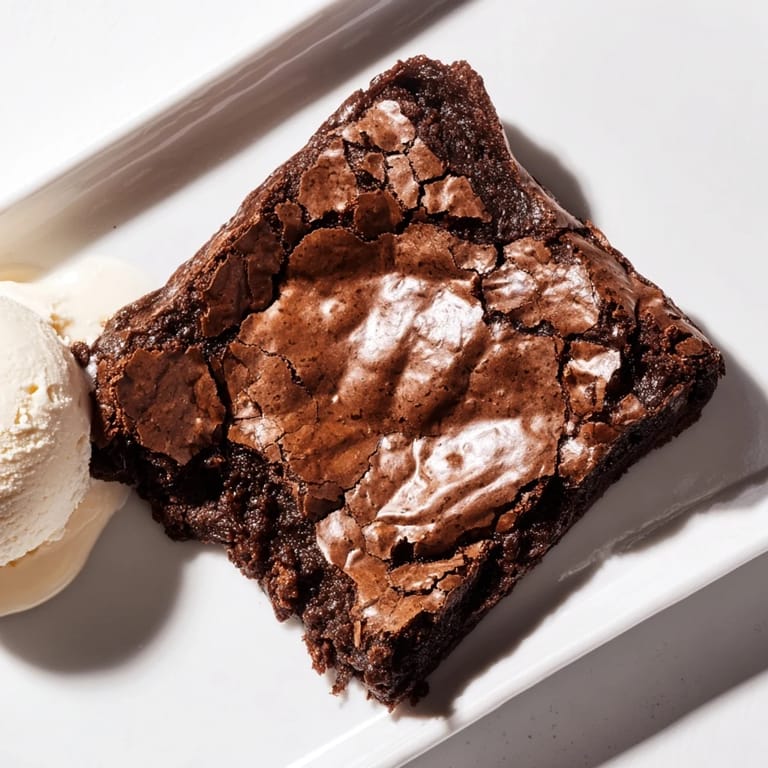
Save There's something almost magical about watching a brownie pudding emerge from the oven—that moment when you tap the edge of the dish and feel the center jiggle ever so slightly beneath the crackled surface. I first made this version on a particularly gray November afternoon when nothing seemed right until I pulled this out and the kitchen filled with that unmistakable chocolate warmth. It's the kind of dessert that promises indulgence without apology, delivering both the satisfaction of a fudgy brownie and the surprise of a luscious molten center that pools beneath each spoon.
I made this for my sister's birthday dinner last spring, and watching her face light up when she took that first bite reminded me why chocolate desserts matter. The pudding had pooled just right at the bottom of the dish, and she literally said "stop, this is too good" mid-bite—the kind of compliment that makes you want to make it again immediately.
Ingredients
- Unsalted butter and semisweet chocolate: These two are the foundation, and together they create that deep, non-harsh chocolate flavor. I learned to chop the chocolate roughly rather than using chips; it melts more evenly and creates a smoother texture.
- Room-temperature eggs: This matters more than you'd think. Cold eggs don't incorporate as easily into the sugar, and you'll end up with a denser pudding instead of the cloud-like one you're after.
- Granulated sugar: The amount seems generous, but it's what transforms the egg mixture into something thick and pale, almost like a mousse base.
- All-purpose flour and unsweetened cocoa powder: Sifting these together prevents lumps and keeps the texture silky. I've made this without sifting once, and the difference was noticeable.
- Vanilla extract and kosher salt: Even in a chocolate dessert, salt and vanilla lift everything and make the chocolate taste more intensely chocolate.
Tired of Takeout? 🥡
Get 10 meals you can make faster than delivery arrives. Seriously.
One email. No spam. Unsubscribe anytime.
Instructions
- Set your oven and prepare the stage:
- Preheat to 325°F and butter your baking dish generously—this low, gentle heat is what prevents the top from cooking too quickly while the center stays soft. Have everything ready before you start, because once you begin beating eggs, you're committed to the process.
- Melt the chocolate and butter together:
- Use a heatproof bowl over simmering water and stir until completely smooth. Let it cool just enough that it won't scramble the eggs when you combine them, but still warm enough to blend easily.
- Beat eggs and sugar until they transform:
- This is the magic moment—5 to 10 minutes on medium-high speed turns a simple mixture into something thick, pale, and ribbony. You'll see the volume increase dramatically, and that's exactly what you want for the pudding's texture.
- Combine with chocolate gently:
- Lower the mixer speed and add vanilla and salt first, then stream in the cooled chocolate. Mix just until you can't see streaks anymore; overmixing at this point deflates all that air you just whispered into the eggs.
- Fold in the flour and cocoa powder:
- Use a spatula and fold with intention, turning the bowl as you go. This isn't whisking; you're being tender with the batter to keep it light and airy.
- Create the water bath and bake:
- Pour the batter into the prepared dish, then set that dish into a larger roasting pan. Pour hot tap water until it reaches halfway up the sides—this gentles the heat and creates even, gentle cooking that produces the pudding effect.
- Bake and trust your instincts:
- At 1 hour, the top should be set and crackly to the touch, but the center will jiggle slightly when you gently shake the dish. This wobble is your signal to stop; the carryover heat will set it just enough without overbaking.
 Save
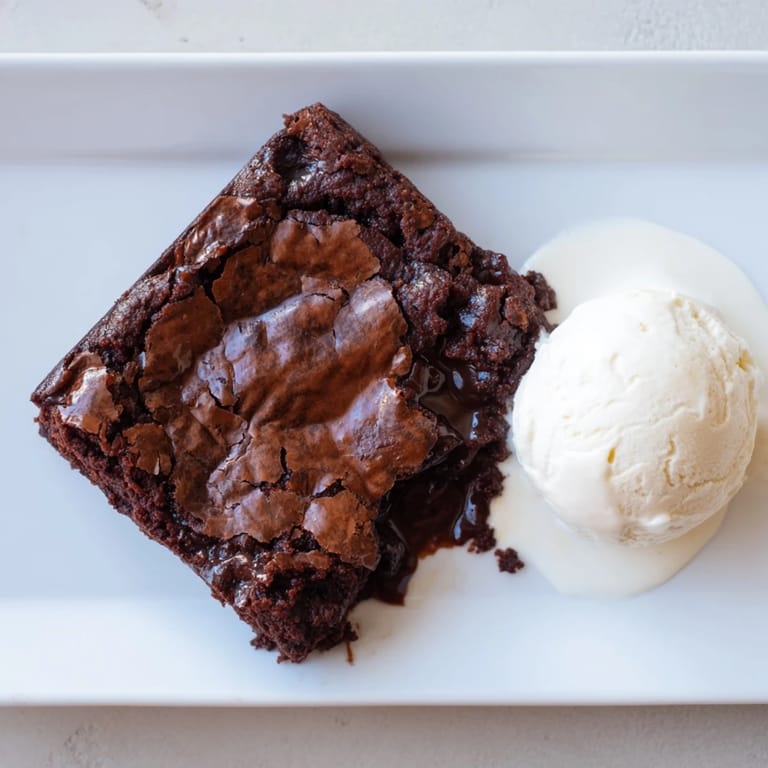
Save There was a moment during my third time making this when my neighbor knocked on the door asking what smelled so incredible, and I ended up serving her a warm dish with ice cream melting over it. Watching her entire expression shift when she reached that soft center felt like I'd discovered something she needed to know existed.
The Magic of the Water Bath
The water bath isn't decoration—it's the secret to achieving pudding instead of just a dense, fudgy texture. The surrounding water insulates the batter and cooks it gently and evenly, which means the edges set while the very center stays soft and yielding. The first time I made a brownie pudding without one, I got an all-over dense brownie, which is fine but misses the whole point. Now I'm religious about it, and it changes everything.
Chocolate Flavor and Depth
Semisweet chocolate is classic here, but I've experimented with bittersweet when I want something less sweet and more sophisticated. A small pinch of espresso powder deepens the chocolate flavor without making it taste like coffee—it's the kind of thing nobody quite identifies but everyone notices. The quality of your chocolate matters too; it's the star, so don't use the bottom-shelf stuff.
Serving and Storage Wisdom
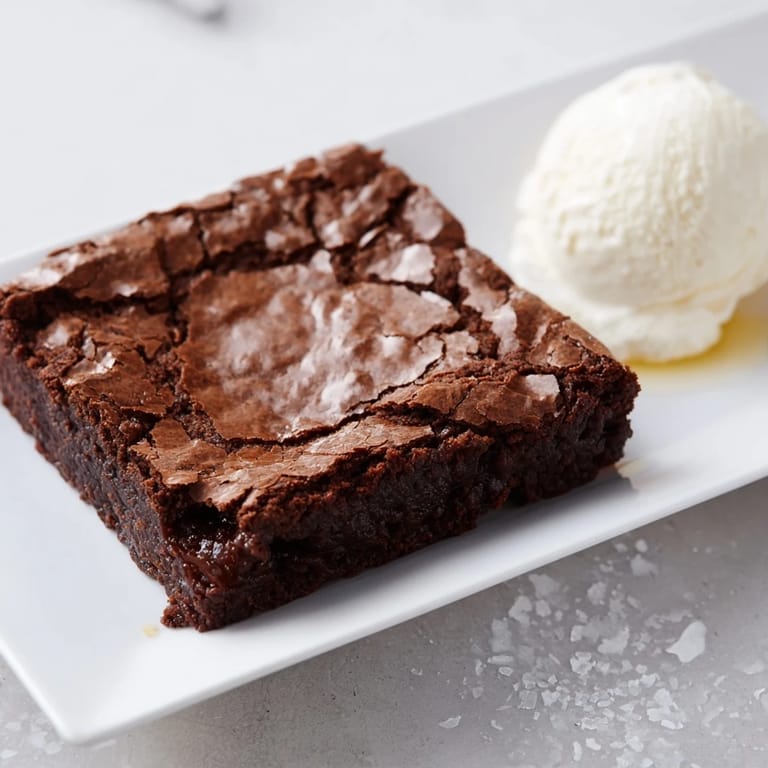
Warm is genuinely best, ideally within 15 minutes of coming out of the oven when the contrast between the crackled top and molten center is most dramatic. Vanilla ice cream or barely sweetened whipped cream is the only accompaniment you need, letting the pudding shine without competing flavors. If you do have leftovers, cover and refrigerate them; they'll firm up quite a bit but can be gently warmed in the oven or even the microwave, though the texture shifts from molten to more fudgy.
- The recipe halves beautifully if you're cooking for fewer people—just use a smaller baking dish and adjust water bath time slightly.
- You can prep the batter up to a few hours ahead and hold it covered in the fridge, then bake when ready.
- This is a dessert that makes people feel cared for in a way that feels effortless on your end.
 Save
Save This dessert has become my go-to when I want to feel like I'm doing something special without the fuss, and it never fails to impress. Make it once and it becomes a favorite you return to again and again.
Recipe FAQ
- → How does the water bath affect the dessert?
The water bath ensures gentle and even baking, helping the center remain moist and pudding-like while the top forms a crackly crust.
- → Can I use different chocolate types?
Yes, substituting semisweet with bittersweet chocolate intensifies the flavor. A pinch of espresso powder can also deepen chocolate notes.
- → What is the best way to serve this dessert?
Serve warm with a scoop of vanilla ice cream or lightly sweetened whipped cream to complement the rich chocolate texture.
- → Why is the center soft and gooey?
The dessert is intentionally baked to maintain a soft molten center, balancing the firm crackly top for a delightful texture contrast.
- → Can this be prepared ahead of time?
It’s best enjoyed warm but can be prepared in advance and gently reheated, though the texture is optimal freshly baked.