 Save
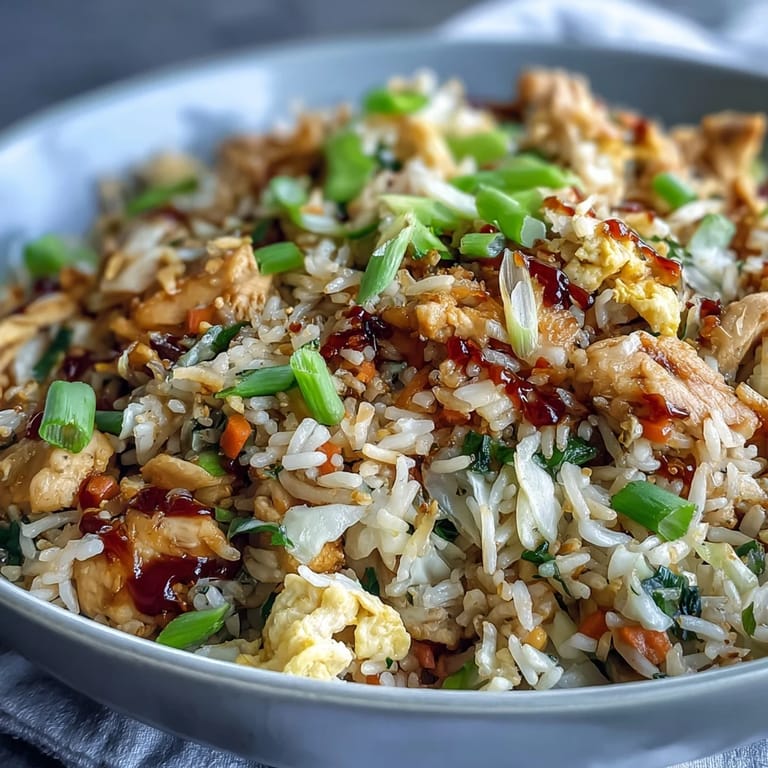
Save My neighbor brought over leftover Chinese takeout containers one Tuesday evening, and while heating up the egg rolls, I had this sudden thought: why not combine that crispy, savory filling with fried rice? Twenty minutes later, I'd created something that tasted like a deliberate fusion rather than a happy accident. Now it's become my go-to when I need dinner on the table fast without feeling like I'm cutting corners.
Last spring, I made this for a small dinner party where one guest mentioned she couldn't eat most fried foods anymore. Watching her face light up when she realized she could enjoy those familiar egg roll flavors in a lighter format reminded me that cooking is really about making people feel seen. That night felt like a quiet win.
Ingredients
- Cooked chicken breast: Use shredded for a more delicate texture that distributes evenly, or diced if you prefer distinct bites; rotisserie chicken works beautifully in a pinch.
- Eggs: The scrambled eggs add richness and help bind everything together, so don't skip them even if you're tempted.
- Green cabbage: Slice it thin so it softens quickly while keeping its subtle sweetness that mirrors the filling of traditional egg rolls.
- Carrots: Julienne or shred them to match the cabbage size; thin cuts mean they cook through without becoming mushy.
- Green onions: Reserve half for garnish at the end so you get that fresh bite in every forkful.
- Bean sprouts: Optional but they add a wonderful crunch that keeps the dish from feeling too soft; add them toward the very end so they stay crisp.
- Jasmine or long-grain rice: Chilling the cooked rice beforehand is non-negotiable; warm rice clumps together and creates a mushy texture instead of individual grains.
- Garlic and ginger: Mince both finely so they disperse evenly and perfume the whole dish; the aroma alone signals you're doing this right.
- Soy sauce: Low-sodium gives you control over the salt level, which matters because every ingredient contributes saltiness.
- Oyster sauce: This deepens the umami and brings authenticity, though it's optional if shellfish is a concern or you prefer a lighter touch.
- Toasted sesame oil: A teaspoon is enough; it's potent and adds a toasty finish that makes people ask what you did differently.
- White pepper: Subtler and slightly warmer than black pepper, it won't leave visible specks and blends seamlessly into the rice.
Tired of Takeout? 🥡
Get 10 meals you can make faster than delivery arrives. Seriously.
One email. No spam. Unsubscribe anytime.
Instructions
- Build your aromatics:
- Heat 1 tablespoon of oil in your wok or large skillet over medium-high heat until a tiny piece of garlic sizzles on contact. Add the minced garlic and ginger, stirring constantly for about 30 seconds until the kitchen fills with that unmistakable fragrance that makes your mouth water.
- Cook the vegetables:
- Add your sliced cabbage and shredded carrots, stirring frequently for 3 to 4 minutes until they soften slightly but still have some resistance. You want them yielding, not collapsed, so they maintain that pleasant texture throughout.
- Scramble in the eggs:
- Push the vegetables to one side of the pan, add the remaining tablespoon of oil to the empty space, and pour in your beaten eggs. Let them sit for just a moment before scrambling gently with your spatula, then fold them together with the vegetables once they're mostly set but still slightly creamy.
- Bring in the chicken:
- Add your shredded chicken and bean sprouts if using, stirring everything together for 1 to 2 minutes until the chicken warms through. The pan should smell incredibly savory at this point.
- Incorporate the rice:
- Add all the chilled rice, using your spatula to break apart any clumps as you stir; this takes about 2 to 3 minutes and ensures even heating. You'll feel the rice transform from individual grains to a cohesive mixture as you work.
- Season to perfection:
- Drizzle in the soy sauce, oyster sauce if using, and sesame oil, then sprinkle the white pepper evenly across the top. Stir everything together thoroughly for a full minute so the seasonings coat every grain and vegetable.
- Finish and taste:
- Toss in most of the sliced green onions, reserving some for garnish, then taste a small spoonful. Adjust soy sauce or sesame oil if needed; remember that less is more with sesame oil since it's easy to overpower the delicate balance.
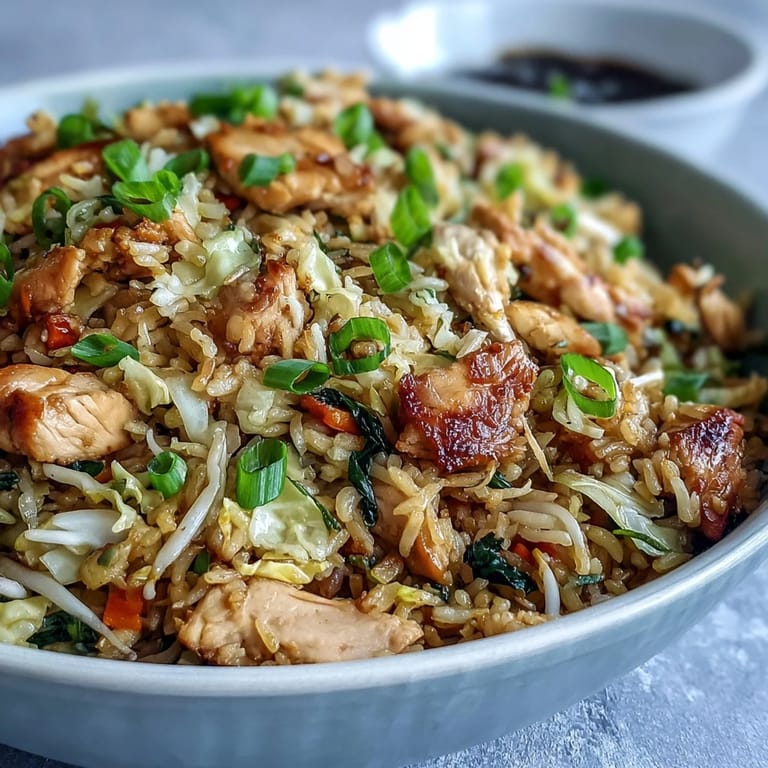 Save
Save There's a moment, usually right when you add the seasonings, when the whole dish comes alive with aroma and color. My daughter once wandered into the kitchen during that exact moment and said it smelled like the restaurant we loved going to before everything changed. That's when food becomes memory.
Why Cold Rice Changes Everything
I learned this lesson the hard way during my first attempt at fried rice years ago, when I used leftover warm rice straight from the fridge. The grains steamed and stuck together, creating a mushy consistency that no amount of stirring could fix. Now I always plan ahead: make rice the day before, spread it on a plate to cool, then refrigerate it in a sealed container. Cold rice shatters beautifully under the heat of the wok, creating those individual, separated grains that define proper fried rice.
Making It Your Own
The beauty of this dish lies in how flexible it is without losing its identity. Water chestnuts add a delightful crunch that reminds you why egg rolls are so addictive, while snap peas bring a grassy brightness. I once added a tablespoon of hoisin sauce because I was inspired by Chinese takeout menus, and it created a subtle sweetness that made the dish deeper and more complex.
Serving Suggestions and Storage
This dish tastes best served immediately while the vegetables still have a gentle bite and the rice is steaming, though it reheats surprisingly well in a wok or large skillet the next day. I've found that a crisp white wine like Sauvignon Blanc or a cold light lager cuts through the richness beautifully without overwhelming the delicate flavors.
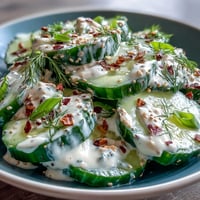
- Pair it with a simple cucumber salad or quick pickled vegetables for brightness and balance.
- Leftovers can be portioned into containers and eaten cold as a grain bowl lunch, which tastes entirely different but equally satisfying.
- Make a double batch if you're cooking for guests; this dish disappears quickly and reheating means you stay present instead of stuck in the kitchen.
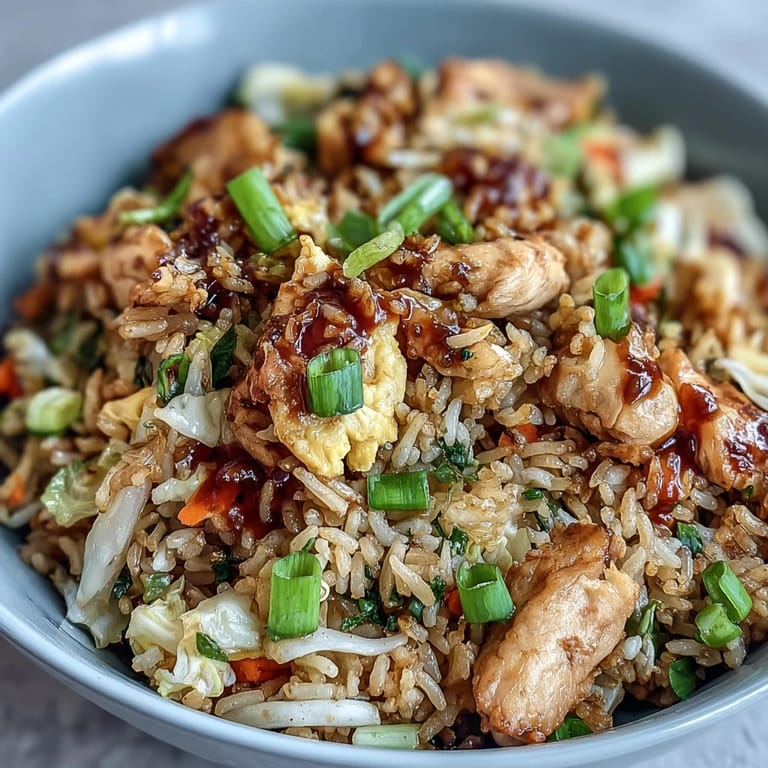 Save
Save This recipe sits at that perfect intersection of comforting and exciting, delivering familiar flavors without the typical heaviness. It's become the meal I turn to when life is too busy for complexity but my stomach refuses to settle for less than delicious.
Recipe FAQ
- → Can I use fresh rice instead of chilled?
Chilled rice works best as it separates easily and doesn't become mushy. If using freshly cooked rice, spread it on a baking sheet and refrigerate for at least 30 minutes before stir-frying to achieve better texture.
- → What vegetables can I substitute?
Snap peas, bell peppers, broccoli florets, or water chestnuts all work beautifully. The key is maintaining similar-sized cuts for even cooking and preserving that satisfying crunch.
- → How do I store leftovers?
Store in an airtight container in the refrigerator for up to 3 days. Reheat in a skillet over medium heat, adding a splash of water or additional soy sauce to refresh the flavors.
- → Can I make this gluten-free?
Absolutely. Substitute regular soy sauce with tamari and use a gluten-free oyster sauce or omit it entirely. The rest of the ingredients naturally contain no gluten.
- → What protein alternatives work well?
Pork, shrimp, beef, or crumbled tofu all substitute nicely for the chicken. Adjust cooking times accordingly—shrimp cooks quickly while beef may need slightly longer to reach desired doneness.
- → Why use white pepper instead of black?
White pepper provides authentic Asian flavor without visible specks in the rice. Black pepper works perfectly fine as a substitute if that's what you have available.