 Save
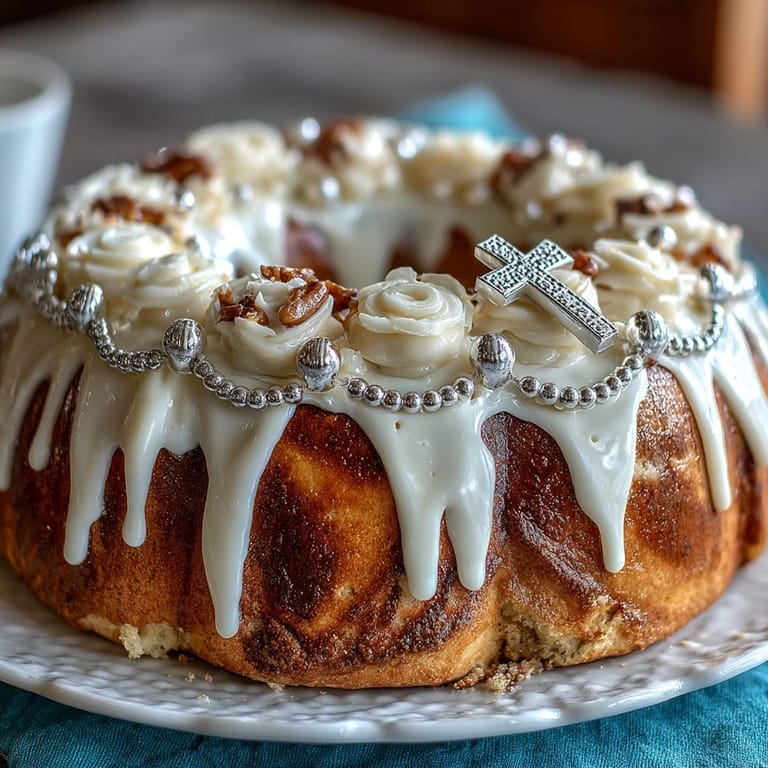
Save My sister called me three weeks before her daughter's First Communion, voice a mix of excitement and panic. She needed a cake that felt special, something that would make the moment feel sacred without being fussy. I found myself thinking back to a wedding I'd attended years ago, where a simple vanilla cake with white roses had stolen the show—not because it was elaborate, but because it looked like someone had poured care into every detail. That's when I knew: a tender vanilla sponge with silky buttercream and handcrafted fondant roses would be perfect. This cake became my love letter to celebration.
Standing in my kitchen at 6 a.m. on that Saturday, my hands dusted with powdered sugar, something shifted. My niece had chosen this cake because I'd told her the story of the white roses—how they symbolized purity and new beginnings. Watching her bite into that first slice, seeing her eyes light up not just at the taste but at knowing someone had spent time creating something entirely for her, reminded me why baking matters. It's never just about the cake; it's about the person eating it.
Ingredients
- All-purpose flour (2 ½ cups): The foundation of your tender crumb—measure by spooning into the measuring cup and leveling off, not scooping directly from the bag, which compacts the flour and can dry out your cake.
- Baking powder (2 ½ tsp): This is your rise without heaviness; it lifts the cake gently so the crumb stays delicate.
- Unsalted butter (1 cup for sponge, 1 ½ cups for frosting): Room temperature is non-negotiable—cold butter won't cream properly and your cake will be tough.
- Granulated sugar (2 cups): Creamed with butter, this creates the air pockets that make the cake light and airy.
- Eggs (4 large): Room temperature eggs blend seamlessly into the batter and help trap air; cold eggs can cause lumps and uneven mixing.
- Pure vanilla extract (1 tbsp for sponge, 2 tsp for frosting): The unsung hero that makes everything taste like vanilla cake should—warm, comforting, familiar.
- Whole milk (1 cup): Room temperature milk keeps the batter from breaking when you add it to the creamed butter and sugar.
- Powdered sugar (5 cups): Sift it before using so your frosting is silky and lump-free, which makes spreading effortless.
- White fondant (16 oz): This is where magic happens—it covers the cake smoothly and becomes your canvas for those beautiful roses.
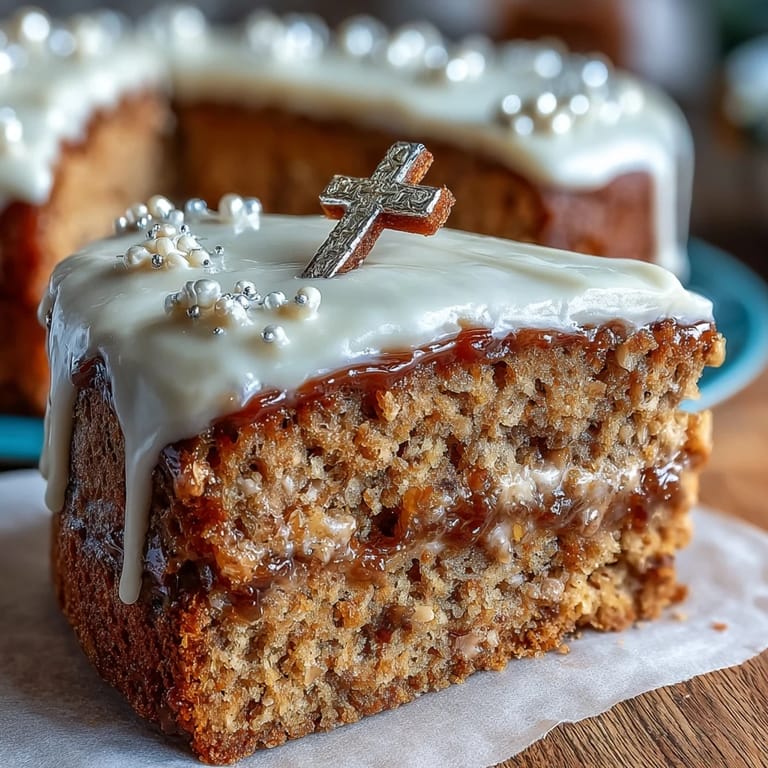
- Cross topper: Choose one that speaks to the occasion; it becomes the focal point and sets the tone for the whole cake.
Tired of Takeout? 🥡
Get 10 meals you can make faster than delivery arrives. Seriously.
One email. No spam. Unsubscribe anytime.
Instructions
- Prepare Your Pans and Preheat:
- Set your oven to 350°F and grease two 8-inch round pans, then line the bottoms with parchment paper—this prevents sticking and ensures you can turn the cakes out cleanly. Having everything ready before you start mixing keeps the batter fresh and prevents overmixing.
- Blend the Dry Ingredients:
- Whisk flour, baking powder, and salt together in a medium bowl until they're evenly distributed. This aerates the flour and ensures the leavening distributes throughout the batter.
- Cream Butter and Sugar:
- Beat softened butter and sugar together for about 3 minutes until the mixture is pale, fluffy, and almost mousse-like. You'll notice the color lightens and the texture becomes creamy—this is when you know you've trapped enough air for a tender crumb.
- Incorporate Eggs Gently:
- Add eggs one at a time, beating well after each addition so each egg fully emulsifies before the next one goes in. Adding them too quickly can cause the batter to break and become grainy.
- Add Vanilla and Begin Alternating:
- Mix in vanilla extract, then switch your mixer to low speed and alternate adding the flour mixture and milk, starting and ending with flour. This alternating method prevents overmixing and keeps the batter tender; beat just until combined after each addition.
- Divide and Bake:
- Pour batter evenly between the prepared pans and smooth the tops so they bake evenly. Bake for 30 to 35 minutes until a toothpick inserted in the center comes out clean with just a few moist crumbs—don't overbake or the cake will be dry.
- Cool with Patience:
- Let cakes rest in their pans for 10 minutes so they firm up, then turn them out onto wire racks to cool completely. Trying to frost a warm cake is a losing battle, so take your time here.
- Make the Frosting:
- Beat softened butter until creamy, then gradually add sifted powdered sugar, vanilla, and a pinch of salt, mixing on low speed. Add milk one tablespoon at a time until the frosting reaches a spreadable consistency—you want it thick enough to hold shape but soft enough to smooth.
- Level and Layer:
- If your cake layers have domed tops, level them with a serrated knife for even stacking. Place one layer on your cake board, spread a generous layer of buttercream on top, then carefully center the second layer.
- Crumb Coat and Chill:
- Spread a thin first layer of frosting over the entire cake to seal in crumbs, then refrigerate for 20 minutes. This crumb coat prevents loose crumbs from mixing into your final frosting layer, giving you a smooth, polished finish.
- Apply the Final Frosting:
- Once chilled, spread a final, thick layer of buttercream over the cake, using an offset spatula to create smooth, even coverage. Take your time here—the frosting layer is your canvas for the fondant roses.
- Craft Fondant Roses:
- Roll white fondant to about 1/8-inch thickness, then cut small circles or oval shapes. Roll each piece into a small ball, flatten it gently, and shape it into a petal; layer these petals around a central ball to create a rose form, just like you're assembling real petals.
- Create Leaves (Optional):
- Tint a small amount of fondant with green gel food coloring and roll thin leaf shapes. Veining them slightly with a knife makes them look more realistic and adds visual interest.
- Arrange and Decorate:
- Position your fondant roses across the frosted cake in a graceful pattern, securing them gently by pressing the base into the buttercream. Scatter edible pearls or silver dragees around the roses for a delicate sparkle.
- Crown with the Cross:
- Place your cross topper at the center of the cake or off to one side, depending on your design preference. Step back and admire what you've created—this cake is a masterpiece.
- Final Chill Before Serving:
- Refrigerate the finished cake until you're ready to serve so the frosting and fondant set properly. This also prevents the cake from becoming warm and allows the flavors to meld beautifully.
 Save
Save A month after the First Communion, my sister sent me a photo of my niece holding her cake knife, grinning like she'd just won something precious. She'd told her friends that her aunt made the cake from scratch, fondant roses and all, and suddenly being her friend came with the bonus of potential homemade birthday cakes. That's when I realized this recipe had done more than just taste good—it had created a memory, sparked a tradition, and reminded a young girl that she was worth the time and care. That's what this cake really is.
Why Vanilla Is the Right Choice
There's something about vanilla that feels both timeless and deeply personal. It doesn't compete or show off; instead, it creates a canvas where the buttercream and fondant shine. When I was learning to bake, I kept reaching for chocolate or spice, thinking more flavor meant more impressive, but this cake taught me otherwise. The vanilla lets the tender crumb speak for itself, and paired with silky buttercream, it becomes elegant without trying. For a celebration cake, especially one marking a spiritual milestone, vanilla says what needs to be said: I chose something classic because this moment deserves timelessness.
The Meditative Art of Fondant Roses
The first time I tried to make fondant roses, I thought I'd failed miserably—they looked lumpy and uneven. Then I realized I was rushing, thinking they needed to be perfect immediately. When I slowed down, warming the fondant slightly between my hands so it became pliable, listening to music instead of watching the clock, something shifted. Each petal became a small act of intention rather than a checklist task. Now I recommend setting aside an hour just for roses, pouring yourself tea, and letting your hands learn the rhythm. You don't need special tools or training; you need patience and the understanding that imperfection is actually what makes fondant flowers look real.
Storage and Serving Wisdom
This cake tastes even better the day after you make it, when the flavors have had time to settle into each other. Keep it covered in the refrigerator for up to three days, and bring it to room temperature for about 30 minutes before serving so the cake tastes soft and tender rather than cold and firm. If you're making this ahead for an event, you can bake the layers two days in advance, freeze them wrapped tightly, and then frost and decorate the day before or the morning of. Fondant-covered cakes should stay cool but don't need to be served ice-cold; a just-cool cake with a soft, yielding crumb paired with smooth buttercream is absolutely perfect.
- Keep the finished cake covered with a cake dome or plastic wrap to prevent it from drying out or absorbing odors from the refrigerator.
- If fondant roses start to soften or slide, it means the cake is too warm; move it back to the fridge for a few minutes and it will firm right back up.
- Leftover fondant keeps in an airtight container at room temperature for weeks, so you can make extra roses for other cakes or celebrations down the line.
 Save
Save This cake exists because someone wanted to celebrate a sacred moment in a way that felt personal and thoughtful. Whether you're making it for a First Communion or any celebration that deserves elegance and care, remember that the most beautiful part is never the decoration—it's the love that goes into every layer. Bake with intention, frost with patience, and trust that your cake will be exactly what it needs to be.
Recipe FAQ
- → How do I make the vanilla sponge light and tender?
Ensure the butter and sugar are creamed until light and fluffy to incorporate air. Use room temperature eggs and gently fold the flour mixture alternately with milk to maintain a soft texture.
- → What is the best way to achieve smooth buttercream frosting?
Beat softened unsalted butter thoroughly before gradually adding sifted powdered sugar. Add milk or cream slowly to reach a creamy, spreadable consistency without lumps.
- → How can I shape the white fondant roses?
Roll small balls of fondant, flatten them into thin petals, then layer and shape each petal to form delicate roses. Tint a bit of fondant green for leaves if desired.
- → Can I prepare the cake decorations in advance?
Yes, fondant roses can be made ahead and stored in a cool, dry place. Buttercream crumb coat can also chill before applying the final layer and decorations.
- → What alternatives are there for a lighter sponge?
Substitute half the butter in the sponge with vegetable oil to achieve a lighter texture and moist crumb without sacrificing flavor.
- → Are there ways to add extra flavor to the sponge?
Incorporate lemon zest or almond extract into the batter for a subtle aromatic twist enhancing the vanilla base.