 Save
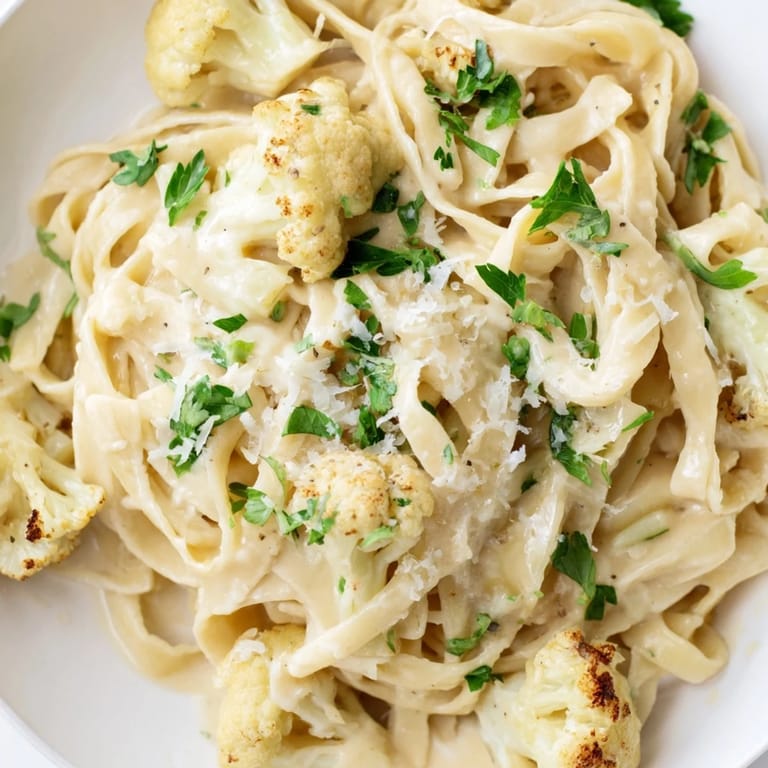
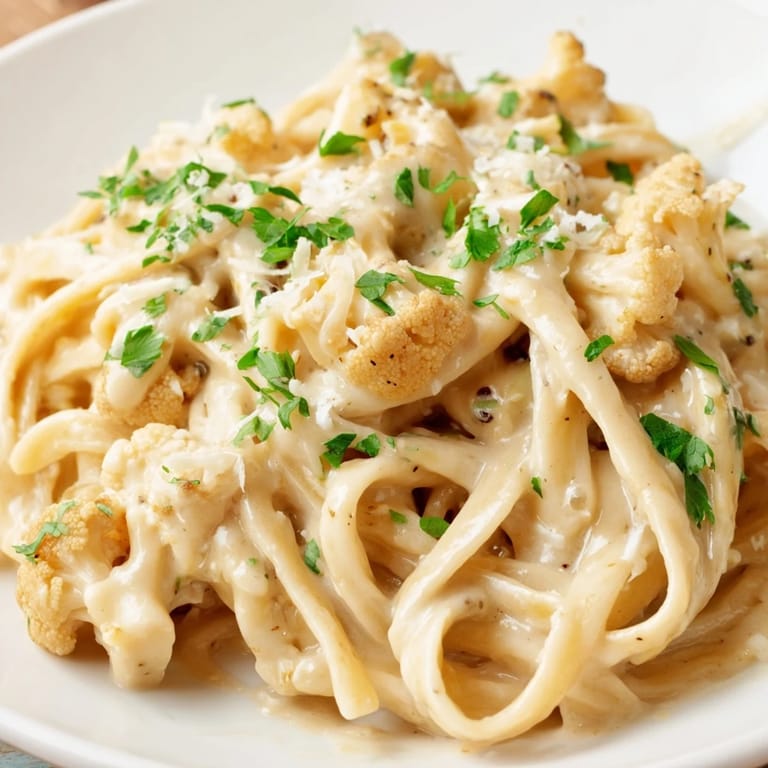
Save My blender was making a noise I'd never heard before, and I was absolutely sure I'd broken it trying to puree roasted cauliflower into something silky. But then it smoothed out, and what emerged was this pale, velvety sauce that clung to my spoon like actual Alfredo. I tasted it, blinked, and immediately texted three people. This wasn't a trick or a compromise, it was legitimately luxurious, and I'd used half a head of cauliflower instead of two cups of cream. Sometimes the best recipes sneak up on you when you're just trying to use up what's in the crisper drawer.
I made this the night my sister came over convinced she was giving up pasta for good. She was on some new reset plan and feeling very virtuous about it, so I didn't tell her what was in the sauce until she'd finished her second helping. When I finally confessed it was mostly cauliflower, she just laughed and said it didn't count because it tasted too good. We ended up sitting at the table much longer than planned, twirling fettuccine and talking about how food doesn't have to be punishing to be nourishing. That's the magic of this dish, it's comfort without the guilt, and everyone leaves happy.
Ingredients
- Cauliflower: The star here, and roasting it first is non-negotiable because it brings out a caramelized sweetness that raw cauliflower just can't offer.
- Garlic: Roasting whole cloves mellows them into something almost buttery, avoid raw garlic or the sauce will bite back.
- Whole milk: This gives body and helps the sauce blend smooth, but you can swap in unsweetened almond or oat milk if you need to keep it lighter.
- Parmesan cheese: Use the real stuff, freshly grated, because pre-shredded won't melt the same way and the sauce will be grainy.
- Unsalted butter: Just enough to add richness without overwhelming the vegetables.
- Fettuccine: Classic choice, but any pasta shape with enough surface area to catch the sauce will work beautifully.
- Nutmeg: A tiny pinch wakes up the whole sauce, but don't overdo it or it'll taste like dessert.
- Salt and black pepper: Season in layers, taste as you go, and remember the pasta water will add some saltiness too.
- Fresh parsley and extra Parmesan: Optional, but they make the plate look like it came from a restaurant.
Tired of Takeout? 🥡
Get 10 meals you can make faster than delivery arrives. Seriously.
One email. No spam. Unsubscribe anytime.
Instructions
- Prep the oven and baking sheet:
- Preheat your oven to 425°F and line a baking sheet with parchment paper so nothing sticks. This high heat is what gives the cauliflower those golden, crispy edges that make the sauce taste so rich.
- Roast the cauliflower and garlic:
- Toss the florets and peeled garlic cloves with a tablespoon of butter, spread them out in a single layer, and roast for 25 to 30 minutes, stirring halfway through. You want them tender and deeply browned in spots, that's where all the flavor hides.
- Cook the pasta:
- While the cauliflower roasts, boil your pasta in well-salted water until just al dente. Before draining, scoop out a full cup of that starchy pasta water, it's your secret weapon for adjusting the sauce later.
- Blend the sauce:
- Add the roasted cauliflower, garlic, remaining butter, milk, Parmesan, nutmeg, salt, and pepper to a blender and puree until completely smooth, adding splashes of reserved pasta water if it's too thick. Be patient here, a truly silky sauce takes a minute or two of blending.
- Heat and toss:
- Pour the sauce into a large skillet over medium heat and let it warm through until it just starts to simmer. Toss in the drained pasta and stir gently until every strand is coated and glossy.
- Serve:
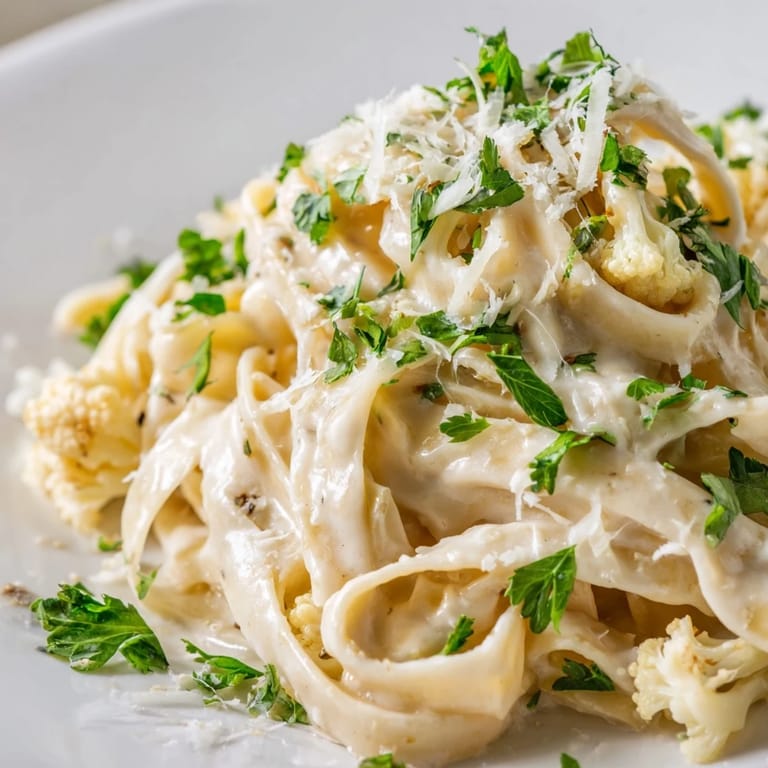
- Plate it up immediately while it's hot, and finish with a sprinkle of parsley and extra Parmesan if you're feeling fancy.
 Save
Save The first time I served this to a crowd was at a potluck where everyone brought something heavy and cheesy. Mine looked just as creamy as the traditional Alfredo next to it, but people kept coming back to ask why it felt lighter and what that subtle sweetness was. I didn't make a big announcement about the cauliflower, I just let the dish speak for itself. By the end of the night, my pan was empty and I had four people asking for the recipe. That's when I knew this wasn't just a weeknight shortcut, it was something worth sharing.
How to Store and Reheat
Leftovers keep well in an airtight container in the fridge for up to three days, though the sauce will thicken as it sits. When you reheat it, add a splash of milk or pasta water to a skillet over low heat and stir gently until it loosens up again. I don't recommend freezing this because the texture can break when dairy-based sauces thaw, but if you do, thaw it overnight in the fridge and reheat very slowly, whisking often. It's always best fresh, but a gentle reheat brings it pretty close to the original magic.
Swaps and Variations
If you want to keep it dairy-light, swap the milk for unsweetened almond or oat milk and use a plant-based butter and Parmesan substitute, the roasted cauliflower will still carry the creaminess. For a bit of brightness, stir in a squeeze of lemon juice or a handful of fresh spinach right before serving. You can also toss in cooked chicken, shrimp, or white beans to make it more filling, or use gluten-free pasta if that's what you need. This sauce is forgiving and adapts to what you have on hand, which is exactly why I keep coming back to it.
Serving Suggestions
This pairs beautifully with a simple green salad dressed in lemon vinaigrette, or some garlic bread if you're not worried about carbs. I like to serve it in shallow bowls so the sauce pools around the pasta, and a little extra Parmesan grated over the top makes it feel special. If you're feeding a crowd, double the recipe and keep the sauce warm in a slow cooker, then let people toss their own pasta to order.
- A crisp white wine like Pinot Grigio cuts through the richness perfectly.
- Roasted broccoli or asparagus on the side adds color and a nice textural contrast.
- Leftover sauce makes an incredible base for a baked pasta casserole the next day.
 Save
Save This is the kind of recipe that makes you feel clever without any real effort, and it's become one of those dishes I turn to when I want something cozy but not too heavy. I hope it surprises you the way it surprised me, and that you find yourself making it again and again.
Recipe FAQ
- → Can I make this sauce ahead of time?
Yes, you can prepare the roasted cauliflower and garlic up to 2 days in advance. Store them in an airtight container in the refrigerator. Blend and heat the sauce just before serving for best results and texture.
- → What pasta works best with this sauce?
Fettuccine is ideal for capturing the creamy sauce, but pappardelle, tagliatelle, or even penne work wonderfully. Choose a pasta shape with surface area to hold the sauce.
- → How can I make this dairy-free?
Substitute whole milk with unsweetened oat or almond milk, use vegan butter, and replace Parmesan with nutritional yeast or cashew-based Parmesan alternative. The sauce will be lighter but still delicious.
- → Why is my sauce too thick or thin?
Adjust consistency by adding reserved pasta water gradually while blending. Start with small amounts and blend until you reach your desired thickness. You can always add more, but it's harder to thicken.
- → Can I add vegetables to this dish?
Absolutely. Roasted broccoli, sautéed mushrooms, sun-dried tomatoes, or wilted spinach complement this sauce beautifully. Toss them in with the pasta before serving.
- → How do I store leftovers?
Store in an airtight container in the refrigerator for up to 3 days. Reheat gently on the stovetop over low heat, adding a splash of milk to restore creaminess.