 Save
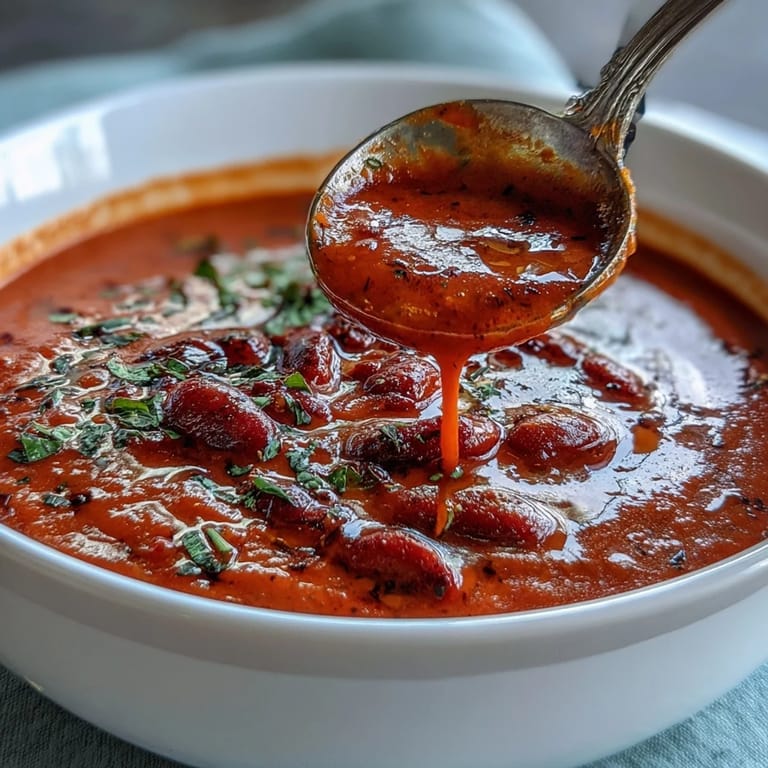
Save There's something almost magical about how a handful of roasted red peppers can transform into something so velvety and warm. I discovered this soup on a gray afternoon when I'd bought too many peppers at the market and needed to use them before they wilted. What started as a practical solution became a weeknight staple that my partner now requests by name. The way the sweetness of the peppers mingles with the earthiness of white beans creates this perfect balance that feels both comforting and bright. It's the kind of soup that tastes like you spent hours on it, even when you're done in under an hour.
I made this soup for my friend Elena on a Tuesday when she'd had one of those days where nothing goes right. She arrived looking tired, and within thirty minutes I had bowls of this vibrant orange-red soup on the table with crusty bread she could tear into. She took one spoonful and actually closed her eyes, and that moment reminded me why I cook—it's not about impressing anyone, it's about offering comfort in edible form.
Ingredients
- Red bell peppers (3 large, roasted): These are the soul of the soup, lending natural sweetness and that gorgeous color that makes people perk up when you set a bowl in front of them.
- Cannellini beans (2 cans, drained): White beans add body and protein without heaviness, and they absorb the pepper flavors beautifully as everything simmers together.
- Yellow onion (1 medium, diced): The aromatic base that builds flavor depth in those first few minutes when you're sautéing.
- Garlic (2 cloves, minced): Just enough to whisper in the background rather than shout—this isn't a garlic-forward soup, but you'll miss it if it's absent.
- Carrot and celery (1 each, diced): The supporting cast that adds subtle sweetness and earthiness, creating a more complex flavor profile than peppers and beans alone.
- Vegetable broth (4 cups): Use a good quality one if you can; it becomes the liquid that carries all those flavors into every spoonful.
- Olive oil (1 tablespoon): Just enough to keep things from sticking and to help release the flavors as you sauté.
- Smoked paprika (1 teaspoon): This ingredient was my revelation—it adds a subtle smokiness that makes people wonder what your secret ingredient is.
- Dried thyme (1/2 teaspoon) and red pepper flakes (optional): Thyme brings an herbal note while the red pepper flakes offer a gentle heat that sneaks up on you.
Tired of Takeout? 🥡
Get 10 meals you can make faster than delivery arrives. Seriously.
One email. No spam. Unsubscribe anytime.
Instructions
- Sauté your aromatics:
- Heat that tablespoon of oil in a large pot over medium heat and add your diced onion, carrot, and celery. You'll know they're ready when the onion becomes translucent and the kitchen smells like a restaurant kitchen—about 5 to 6 minutes. This is the foundation layer, so don't rush it.
- Bring in the garlic:
- Add your minced garlic and let it cook for just one minute until it becomes fragrant and slightly golden. This brief window is all you need; cook it longer and it starts to bitter.
- Build the flavor base:
- Stir in your roasted red peppers, smoked paprika, thyme, and red pepper flakes if you're using them. Let everything hang out together for about two minutes, which allows the spices to wake up and the peppers to start breaking down slightly.
- Add the beans and broth:
- Pour in your drained beans and the vegetable broth, then turn up the heat until you see bubbles breaking the surface. Once it reaches a boil, lower the heat and let it simmer uncovered for about fifteen minutes—this gives everything time to meld without losing the bright flavors.
- Blend to silky perfection:
- This is where the magic happens: use an immersion blender to puree the soup right in the pot (my preferred method because it's less fussy), or carefully work in batches with a regular blender. You're looking for a smooth, creamy texture where no chunks remain.
- Taste and season:
- Add salt and pepper gradually, tasting as you go, because some broths are already quite salty. This final step is where you make it yours.
- Serve with intention:
- Ladle into bowls and crown each one with fresh parsley, a drizzle of good olive oil, and some crusty bread if you have it. This isn't just garnish—it changes the whole experience.
 Save
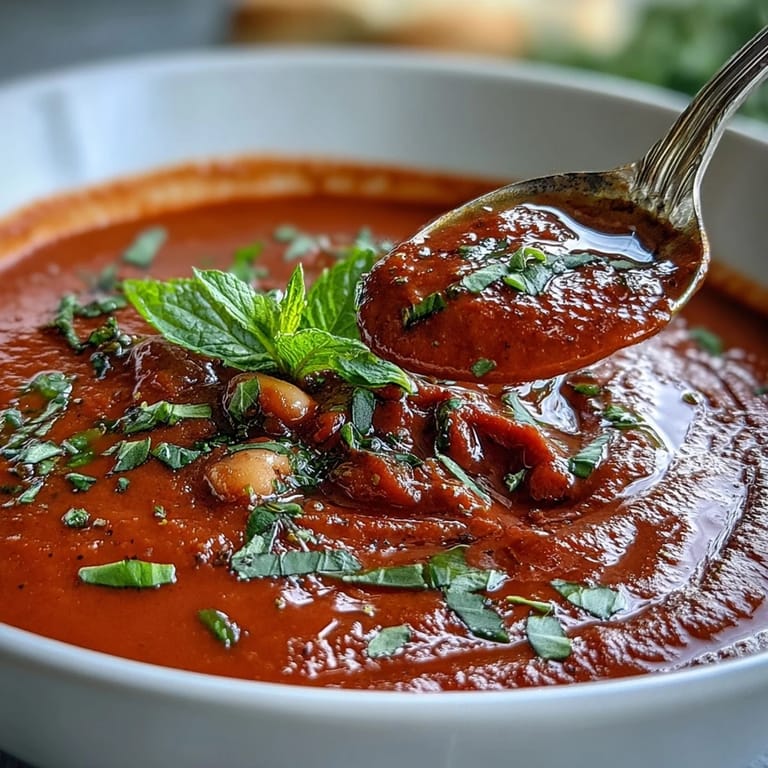
Save There was an evening when my nephew came home from school saying he hated vegetables, so I served him this soup without telling him what was in it. He asked for seconds, then thirds, and only then did I mention the peppers and beans. He paused mid-spoonful, considered his options, and kept eating anyway—which felt like winning the quiet war of feeding kids healthy food.
The Roasting Question
You have a choice here: use pre-roasted peppers from a jar (which I do about half the time when I'm being practical) or roast your own fresh ones (which I do when I have the time and want the soup to taste like I made every component myself). If you go the DIY route, char whole peppers directly under your broiler until their skin blackens and blisters, then trap them in a covered bowl for ten minutes to steam—this makes peeling them almost meditative. The homemade version tastes deeper and more intentional, but the jarred version is honest cooking too, and sometimes efficiency matters more than perfection.
Customizing for Your Palate
This soup is flexible in ways that make it feel more like a template than a rigid recipe. If you want more creaminess without dairy, stir in a splash of coconut milk right before serving, which adds richness without changing the flavor profile too much. The heat level is entirely up to you—start with no red pepper flakes and add them gradually if you want some kick, or load them in if spice is your love language. You can substitute other white beans if cannellini aren't on your shelf; Great Northern or navy beans work beautifully, though they're slightly smaller and create a thinner texture, so adjust your blending accordingly.
The Soul of Simple Cooking
What I love most about this soup is that it proves you don't need complexity to create something memorable. The ingredient list is short, the technique is straightforward, and yet the result tastes like you understand flavor in a way that impresses people. This is the kind of recipe that becomes part of your regular rotation, the one you make when you want something nourishing but not fussy, something that looks beautiful in a bowl and tastes even better than it looks.
- Make a double batch and freeze half—it keeps for up to three months and tastes just as good thawed and reheated.
- Serve it cold on a warm day and suddenly it becomes a different dish entirely, like gazpacho's elegant cousin.
- Pair it with almost any bread, but especially with something you can drag through the last spoonfuls at the bottom of the bowl.
 Save
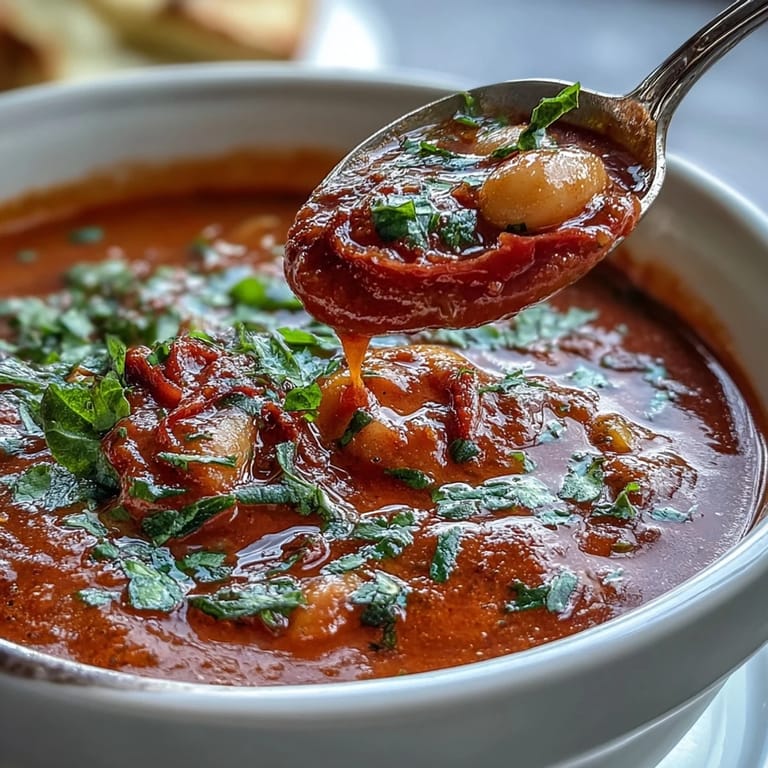
Save This soup has become one of those recipes I make on autopilot, which is exactly when you know something has earned its place in your kitchen. It's nourishing without being pretentious, quick without being rushed, and delicious enough that people ask for the recipe but simple enough that you don't mind sharing it.
Recipe FAQ
- → How do I roast peppers for best flavor?
Char whole red bell peppers under a broiler until blackened, then steam in a covered bowl for 10 minutes before peeling and chopping. This intensifies sweetness and smokiness.
- → Can I substitute cannellini beans?
Yes, Great Northern or navy beans work well as alternatives, providing a similar creamy texture and mild flavor.
- → What is the best way to achieve a creamy texture?
Use an immersion blender or a regular blender to puree the soup until smooth. Adding a splash of coconut milk before blending can enhance creaminess.
- → Are there any key seasonings that define the flavor?
Smoked paprika and dried thyme add smokiness and earthy notes, complemented by a hint of crushed red pepper flakes if you like a mild kick.
- → What garnishes complement this dish?
Fresh chopped parsley and a drizzle of extra virgin olive oil brighten the flavors, while crusty bread makes a satisfying accompaniment.